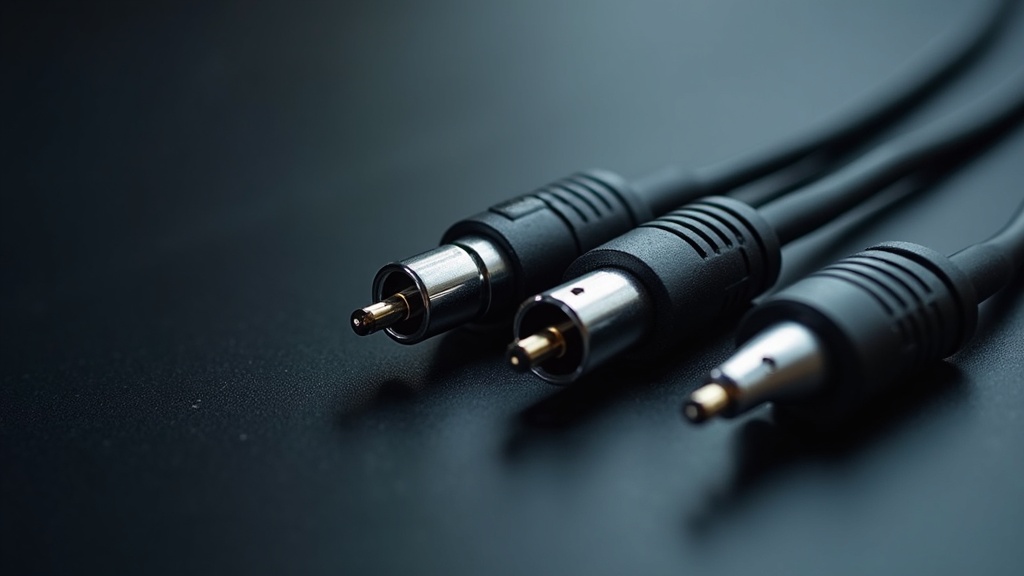
XLR Cables Guide: Balanced Audio for Gardens & Stages
Learn how XLR cables deliver balanced audio with minimal interference, even in challenging outdoor garden settings. This guide covers construction, market trends, common questions, and practical tips for selecting the right XLR cables for your ornamental tree nursery or event space.
Table of Contents
- What Are XLR Cables?
- Market Trends in XLR Cables
- How to Choose XLR Cables for Outdoor Venues
- Maintenance Tips for XLR Cables
- FAQ
- Comparison
- Practical Tips
- Key Takeaways
- Further Reading
Market Snapshot
- Global microphone XLR cable market size in 2024: 234.7 million dollars (Semiconductor Insight, 2025)[1]
- Projected global microphone XLR cable market size by 2032: 378.9 million dollars (Semiconductor Insight, 2025)[1]
- Compound annual growth rate (CAGR) of the microphone XLR cable market from 2024 to 2032: 7.1 percent (Semiconductor Insight, 2025)[1]
- Estimated overall XLR cable market size projected by 2033: 2.58 billion dollars (Romtronic, 2026)[2]
In the world of professional audio, XLR cables are the standard for delivering clean, noise-free sound. Whether you are setting up a sound system for a garden wedding at a nursery, recording bird calls in a woodland, or running a live stream from a greenhouse, these cables are built to handle the job. Their balanced design cancels out interference, making them ideal for long runs in environments where electrical noise is common. This guide explores what makes XLR cables unique, the current market trends, how to choose the right cable for outdoor venues, and tips for keeping them in top condition.
What Are XLR Cables?
XLR cables are the backbone of professional balanced audio connections. They typically use three pins inside a robust, locking circular connector. The three pins correspond to the three conductors inside the cable: a positive signal, a negative signal, and a ground. This three-conductor design is what allows the cable to carry a balanced audio signal. Balanced audio works by sending the audio signal on two wires, with one signal being a phase-inverted copy of the other. At the receiving end, any interference picked up along the cable run is cancelled out because it is present equally on both wires but in opposite phases. This process, known as common-mode rejection, is highly effective at eliminating hum, buzz, and radio frequency interference.
The standard number of pins commonly used in standard audio XLR connectors is three pins (Wikipedia, 2025)[3]. However, XLR connectors are available with up to seven pins for specialised applications like intercom systems or lighting control. The locking mechanism is a key feature; a small latch on the connector clicks into a groove on the female socket, preventing accidental disconnection. This is especially valuable in live sound environments where cables are often stepped on or tugged. As noted by the Connector Supplier Editorial Board, ‘The XLR connector has become the de facto interface for professional audio because its robust locking design and balanced signal capability deliver reliable performance in demanding live and studio environments’ (Connector Supplier, 2025)[4].
The internal construction of the cable itself is also critical. A typical balanced XLR audio cable has two conductors (excluding the shield) (RS Components, 2025)[5]. These conductors are often made of oxygen-free copper to ensure low resistance and signal purity. The cable is surrounded by a shield, which is typically a braided or foil layer that provides additional protection against electromagnetic interference. Professional XLR microphone cables often feature braided shielding with a typical coverage of 85 percent (Musiversal, 2026)[6]. The cables are also designed to have a low capacitance, with a typical desirable range of 50 picofarads per meter (Voices, 2025)[7], which helps maintain signal integrity over longer distances.
Market Trends in XLR Cables
The global market for XLR cables is experiencing steady growth, driven by the expansion of live events, content creation, and home studio setups. The global microphone XLR cable market size in 2024 was valued at 234.7 million dollars, and it is projected to reach 378.9 million dollars by 2032, growing at a compound annual growth rate (CAGR) of 7.1 percent (Semiconductor Insight, 2025)[1]. This growth reflects the increasing demand for high-quality audio in various sectors, including entertainment, corporate events, and even niche areas like garden tourism and horticultural education. The overall XLR cable market is estimated to reach 2.58 billion dollars by 2033 (Romtronic, 2026)[2], indicating a broad and sustained demand.
Several factors are influencing this market. The rise of podcasting and remote work has led to more individuals investing in professional-grade microphones and audio interfaces, all of which rely on XLR connections. At the same time, the live events industry continues to recover and expand, requiring vast quantities of XLR cables for sound reinforcement. There is also a growing awareness of cable quality. Consumers are increasingly looking for cables with better shielding, lower capacitance, and more durable connectors. This trend is particularly relevant for outdoor applications, such as garden concerts or open-air markets, where cables are exposed to the elements and more prone to interference from power lines and other equipment.
Another notable trend is the focus on sustainability and manufacturing. Some manufacturers are exploring new materials for insulation and jacketing that are more environmentally friendly. The demand for longer cable runs in larger venues also pushes innovation in cable design, with a focus on maintaining signal quality over distances of 100 feet or more. As RS Components Technical Team explains, ‘XLR cables are designed to minimise noise in music recording and playback by carrying balanced audio signals, which helps to cancel out interference picked up along the cable run’ (RS Components, 2025)[5]. This core benefit makes them indispensable as audio systems become more complex.
How to Choose XLR Cables for Outdoor Venues
Choosing the right XLR cables for an outdoor venue, such as a botanical garden or a nursery hosting events, requires careful consideration of several factors. The environment is far less controlled than a studio, with exposure to moisture, temperature fluctuations, dirt, and physical stress from foot traffic and equipment setup. The first priority should be cable construction. Look for cables with a heavy-duty PVC or rubber jacket that is resistant to abrasion and weather. A braided shield with high coverage, such as the typical 85 percent found in professional cables (Musiversal, 2026)[6], is essential for rejecting interference from nearby power cables or lighting systems.
Cable length is another critical factor. While XLR cables can carry a signal over long distances, using the shortest possible cable for each connection reduces the risk of signal degradation and makes setup and teardown easier. For outdoor stages or event areas, it is wise to have a variety of lengths, from 3-foot patch cables to 50-foot or 100-foot runs. The connectors themselves should be of high quality, with metal rather than plastic shells for durability. The locking mechanism should be smooth and positive, ensuring a secure connection that will not come loose during a performance. A good XLR cable will last longer, coil nicer, and lay flatter, as noted by an anonymous FOH engineer (r/livesound, 2025)[8].
For garden settings, consider the cable’s flexibility, especially in colder weather. Some cables become stiff and difficult to manage in low temperatures, which can be a problem during early spring or late autumn events. Cables with a more flexible jacket, often using a rubber or TPE compound, are preferable. Additionally, using cable ramps or covers over high-traffic areas can protect both the cables and the people walking over them. It is also worth considering the use of waterproof or weather-resistant connectors for permanent or semi-permanent outdoor installations. When selecting cables, thinking about build quality and materials is crucial. As the Musiversal Engineering Team advises, ‘When choosing an XLR microphone cable, think about its length, quality, and connectors. To ensure better sound quality over time, it’s important to find a cable made with high-quality materials and oxygen-free copper conductors’ (Musiversal, 2026)[6].
Maintenance Tips for XLR Cables
Proper maintenance of XLR cables can significantly extend their lifespan and ensure consistent audio quality. The most important habit is to always coil cables correctly using the over-under technique. This method prevents the cable from twisting and forming kinks, which can damage the internal conductors and shielding over time. When coiling, gently run the cable through your hands to feel for any kinks, cuts, or crushed sections. These physical defects can introduce noise or cause intermittent signal loss. After each use, especially in outdoor environments, wipe down the cable with a damp cloth to remove dirt, mud, or moisture. Pay special attention to the connectors, as dirt can cause poor contact and crackling sounds.
Connectors are the most vulnerable part of an XLR cable. Inspect the pins regularly for bending or corrosion. A bent pin can damage the female socket in a microphone or mixer. If a connector becomes loose or the cable starts to pull away from the strain relief, it is often more cost-effective to replace the connector than the entire cable. Many audio professionals learn to solder new connectors onto cables as a valuable skill. Store cables loosely coiled in a dry, cool place. Avoid hanging them on thin hooks, which can create sharp bends. Using a dedicated cable bag or bin with dividers can prevent tangles and physical stress.
For cables used in garden or outdoor settings, consider a periodic deeper clean. Use a contact cleaner specifically designed for audio connectors to remove oxidation from the pins. A small amount of dielectric grease on the connector pins can also help prevent corrosion in humid environments. It is also a good practice to label your cables with length and a unique identifier. This makes it easier to track which cables are performing well and which may need attention. Shawn Oliviera, an Audio Producer and Content Specialist at Voices, sums it up well: ‘XLR connectors and cables are widely used in professional audio and video settings. They provide balanced sound signals that reduce interference’ (Voices, 2025)[7]. Maintaining this interference-reducing capability is the ultimate goal of all cable care.
Important Questions About XLR Cables
Can I use an XLR cable for a guitar or instrument?
Do expensive XLR cables sound better than cheap ones?
What is the maximum length for an XLR cable?
How do I tell if my XLR cable is balanced or unbalanced?
XLR Cables vs. Other Audio Cable Types
When setting up an audio system, the choice of cable type directly impacts signal quality and noise rejection. XLR cables are the gold standard for professional balanced audio, but other common cable types serve different purposes. The following table compares XLR cables with two common alternatives: 1/4-inch TRS (balanced) and 1/4-inch TS (unbalanced) cables.
| Feature | XLR Cable | 1/4-inch TRS Cable | 1/4-inch TS Cable |
|---|---|---|---|
| Signal Type | Balanced | Balanced | Unbalanced |
| Common Use | Microphones, professional audio gear | Headphones, studio monitors, patch bays | Electric guitars, instruments, speakers |
| Connector Type | 3-pin locking circular | Tip-Ring-Sleeve (three contacts) | Tip-Sleeve (two contacts) |
| Noise Rejection | Excellent (common-mode rejection) | Good (balanced) | Poor (susceptible to interference) |
| Typical Max Length | Up to 200+ feet | Up to 100-150 feet | Under 20 feet (best practice) |
| Durability | Very high (locking mechanism) | Moderate (no lock) | Moderate (no lock) |
For most professional audio applications, especially where long cable runs or noisy environments are involved, XLR cables are the clear choice. For connecting instruments over short distances, a 1/4-inch TS cable is standard. For connecting studio monitors or headphones, a balanced 1/4-inch TRS cable is often used.
Practical Tips for Using XLR Cables
Getting the most out of your XLR cables involves more than just plugging them in. Here are actionable tips to improve your setup and extend cable life. First, always use the correct cable for the job. Do not use a microphone XLR cable to connect a powered speaker if a dedicated speaker cable is required, as the higher power can damage the cable. Second, when running cables across a stage or event space, create a clear path. Use gaffer tape to secure cables to the floor, avoiding trip hazards. Never use duct tape, as it leaves a sticky residue. Third, invest in a cable tester. A simple continuity tester can quickly identify a faulty cable, saving you hours of troubleshooting during a setup.
For those managing audio in garden venues, consider the environment. Keep cables away from water features and sprinkler systems. If you must run a cable across a lawn, use a waterproof cable cover or a shallow trench for a temporary event. For permanent installations, consider using direct-burial rated XLR cables. When coiling cables, use the over-under technique. This involves alternating the direction of each loop to prevent the cable from twisting. It takes practice but is a skill worth mastering. Finally, keep a spare cable in your kit. A single failed cable can stop an entire event. Having a backup ensures you are always prepared. For more insights on audio connections, you can read related articles on our site.
For more about Hdmi cables for laptops, see discover hdmi cables for laptops insights.
Key Takeaways
XLR cables are an indispensable tool for anyone working with professional audio, from studio engineers to event managers at ornamental tree nurseries. Their balanced design provides superior noise rejection, making them ideal for long cable runs and challenging environments. The market for these cables is growing steadily, reflecting their continued importance. By understanding how to choose, use, and maintain XLR cables, you can ensure reliable, high-quality sound for years to come. Whether you are setting up a microphone for a garden tour or a full sound system for an outdoor concert, investing in good XLR cables is a sound decision. For a deeper dive into related audio topics, explore our articles on audio equipment for outdoor events.
Further Reading
- Semiconductor Insight. Microphone XLR Cable Market Report 2025-2032.
https://semiconductorinsight.com/report/microphone-xlr-cable-market/ - Romtronic. XLR Cable Manufacturing in 2026: Emerging Materials, Shielding & Global Demand Trends.
https://www.romtronic.com/xlr-cable-manufacturing-in-2026-emerging-materials-shielding-global-demand-trends/ - Wikipedia. XLR connector.
https://en.wikipedia.org/wiki/XLR_connector - Connector Supplier. What is an XLR Connector?
https://connectorsupplier.com/what-is-an-xlr-connector/ - RS Components. A Guide to XLR Cables.
https://uk.rs-online.com/web/content/discovery/ideas-and-advice/xlr-cables-guide - Musiversal. Musiversal’s Review of the Best XLR Cables in 2026.
https://musiversal.com/blog/best-xlr-cables-review - Voices. XLR Cables and Connectors: A Comprehensive Guide for 2025.
https://www.voices.com/blog/xlr/ - r/livesound. Ok let’s be real, do different XLR cable brand affect quality of sound?
https://www.reddit.com/r/livesound/comments/14a05tg/ok_lets_be_real_do_different_xlr_cable_brand/