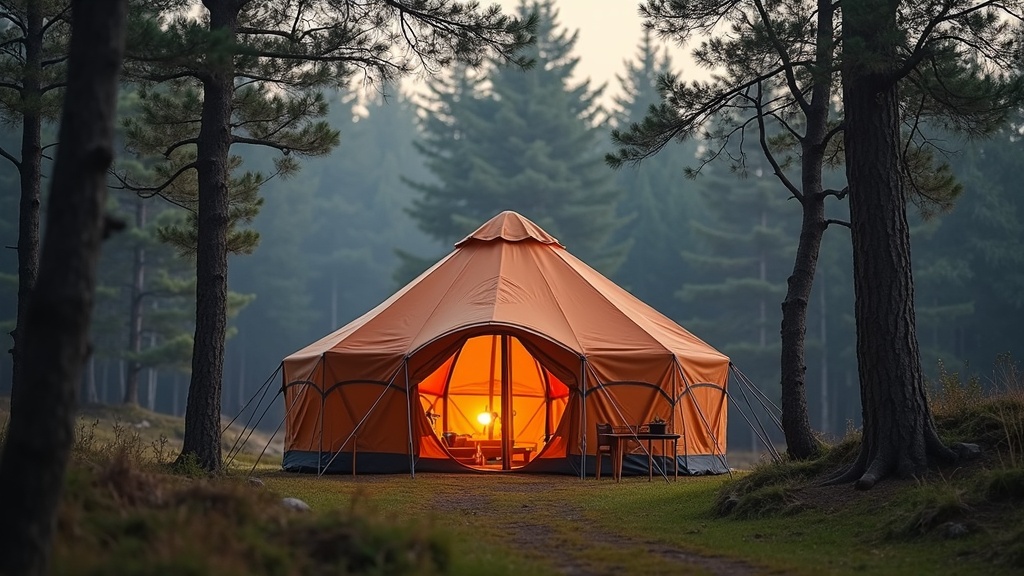
Camping in a Yurt Near Me: Your Guide to Glamping Getaways
Discover the unique experience of camping in a yurt near me, where the comforts of a cabin meet the adventure of the outdoors. This guide covers everything you need to know about finding, booking, and enjoying a yurt camping trip, from state park options to private glamping resorts, helping you plan your next escape into nature.
Table of Contents
- What is Yurt Camping?
- Finding Yurts Near You
- Booking Tips and Costs
- What to Expect During Your Stay
- Frequently Asked Questions
- Yurt vs. Cabin vs. Tent Camping
- Practical Tips for First-Timers
Quick Stats: Yurt Camping
- Rustic yurts in Oregon State Parks cost between $42 and $62 per night before tax (Oregon Parks and Recreation Department, 2026)[1].
- Deluxe yurts in Oregon range from $81 to $99 per night before tax (Oregon Parks and Recreation Department, 2026)[1].
- Pennsylvania state park yurts can be reserved up to 11 months in advance (Pennsylvania Department of Conservation and Natural Resources, 2024)[2].
- State park yurts at Four Mile Creek State Park in New York accommodate up to six people (Back Road Ramblers, 2025)[3].
Have you ever searched for “camping in a yurt near me” and wondered what the experience actually involves? You are not alone. Yurt camping has grown into a popular form of glamping that offers a comfortable way to sleep outdoors without sleeping on the ground. Whether you are a seasoned camper looking for a change or a beginner wanting a gentle introduction to nature, yurts provide a compelling middle ground. This article will walk you through what yurt camping is, how to find a yurt near you, what to expect in terms of amenities and costs, and how to make the most of your stay. By the end, you will have a clear roadmap for booking your own yurt adventure.
What is Yurt Camping?
A yurt is a round, tent-like shelter traditionally used by nomads in Central Asia. Modern yurts, however, are permanent or semi-permanent structures designed for recreational use. They typically feature a wooden frame, a canvas or fabric exterior, and a raised floor. Many include windows, a skylight, and even electricity. Yurt camping is a form of glamping – glamorous camping – that provides more comfort than a traditional tent while still immersing you in the outdoors. As the Massachusetts Department of Conservation and Recreation notes, “Cabin and yurt camping offers a more comfortable and convenient way to enjoy the outdoors while still experiencing a rustic environment” (2024)[4].
Most yurts come equipped with beds or cots, a table and chairs, and basic heating. Some deluxe models include kitchenettes, private bathrooms, and even hot tubs. The level of luxury varies widely depending on the provider. State park yurts tend to be more rustic, while private glamping resorts offer higher-end amenities. For instance, Plum Point Lodge in upstate New York describes their yurts as “20 feet in diameter” and offering “guests the opportunity to experience the beauty of the Finger Lakes in a unique glamping accommodation” (Plum Point Lodge, 2024)[5].
The appeal of yurt camping lies in its simplicity. You do not need to pitch a tent, worry about rain flooding your sleeping bag, or spend hours setting up camp. You arrive, park your car, and walk into a ready-made shelter. This makes yurt camping an excellent option for families with young children, older adults, or anyone who wants to enjoy nature without the physical demands of traditional camping.
Finding Yurts Near You
Locating a yurt for your next getaway starts with understanding where they are most commonly found. The majority of public yurts are located within state and national park systems. States like Oregon, Washington, California, New York, and Pennsylvania have extensive yurt programs. Private resorts and glamping sites also offer yurts, often with more luxurious amenities. To find a yurt near you, start by visiting your state parks website and searching for “yurts” or “glamping.” Many state park systems have a dedicated page for cabin and yurt rentals.
Another excellent resource is the Recreation.gov website, which lists yurts available in federal parks and forests. For private options, platforms like Airbnb and Glamping Hub allow you to filter by “yurt” to find unique stays. When searching for “camping in a yurt near me,” consider expanding your search radius to 100–200 miles to capture more options. Popular yurt destinations often book up months in advance, especially during peak seasons like summer and fall foliage.
If you are looking for a specific type of experience, such as a pet-friendly yurt or one with a hot tub, check the amenities list carefully. Some parks, like those in Oregon, offer designated pet-friendly yurts. According to the Oregon Parks and Recreation Department, up to two pets are allowed in designated pet-friendly units, with a non-refundable $10 per night pet fee (2026)[1]. For a unique and memorable stay, consider booking through a specialist like Dragon Yurts’ premier yurt camping experiences, which offer a curated glamping adventure.
Booking Tips and Costs
Booking a yurt requires planning, as availability can be limited. Most state park systems allow reservations up to 11 months in advance. For example, the Pennsylvania Department of Conservation and Natural Resources states that “Deluxe cottages and yurts can be reserved 11 months in advance or as little as three days before the day of arrival” (2024)[2]. For peak summer months, you should book as early as possible. In Pennsylvania, during the core summer season (second Friday in June through third Friday in August), yurts require a minimum stay of one week. Outside that period, the minimum is two nights.
Costs vary significantly by location and level of luxury. Rustic yurts in Oregon State Parks cost between $42 and $62 per night before tax, while deluxe yurts range from $81 to $99 per night (Oregon Parks and Recreation Department, 2026)[1]. Private glamping yurts can cost $150–$400 per night, depending on amenities and location. Be sure to factor in additional costs like lodging tax, pet fees, and any park entrance fees. The Oregon Parks and Recreation Department recommends that “Cabins and yurts are popular – we recommend you reserve them well in advance” (2026)[1]. This advice holds true for almost any popular yurt destination.
When booking, pay attention to cancellation policies. State parks often have generous cancellation windows, while private resorts may be stricter. Also, check if the yurt includes bedding, cookware, and other essentials. Some provide mattresses but require you to bring your own sleeping bags and pillows. Others are fully equipped. Knowing what is included will help you pack appropriately and avoid surprises.
What to Expect During Your Stay
Upon arrival at your yurt, you will typically find a circular space with a wooden floor, canvas walls, and a domed ceiling. Most yurts have a lockable door for security. Inside, you will find basic furniture: beds or cots, a table, and chairs. Some yurts have a small heater, which is a welcome feature on chilly nights. The round shape creates a cozy, communal atmosphere, making it easy to gather with family or friends. Yurts are not soundproof, so you will hear the sounds of nature – owls, crickets, rustling leaves – which is part of the charm.
Most state park yurts do not have private bathrooms or kitchens. You will need to use shared bathhouses and cook outdoors on a camp stove or fire pit. Private yurts at glamping resorts often include en-suite bathrooms, kitchenettes, and even hot tubs. The Plum Point Lodge yurts, for example, offer a glamping experience with access to resort amenities. Be prepared for the weather. Yurts are well-ventilated in summer but can get cold in winter if not heated. Bring layers, a good sleeping bag, and a flashlight. Also, remember that yurts are situated in natural settings, so insects and wildlife are part of the experience. Keep food stored properly and follow park guidelines for wildlife safety.
One of the best parts of yurt camping is the ease of setup. You can spend your time exploring trails, fishing, swimming, or simply relaxing by the campfire instead of wrestling with tent poles. Many yurts are located in scenic areas with direct access to hiking trails and water bodies. This makes them ideal basecamps for outdoor adventures. Whether you are looking for a romantic weekend or a family vacation, yurt camping provides a unique blend of comfort and nature.
Frequently Asked Questions
Are yurts warm in winter?
Many yurts come equipped with a small heater, either electric or propane, which can keep the space comfortable even in cold weather. However, the level of insulation varies. Canvas walls are not as insulating as solid walls, so temperatures can drop at night. It is a good idea to bring extra blankets, warm sleeping bags, and thermal clothing. Some state park yurts do not have heaters, so always check the amenities list before booking. For winter camping, look for deluxe yurts that are better insulated and heated.
Can you bring pets to a yurt?
Yes, many state parks and private resorts offer pet-friendly yurts. For example, Oregon State Parks allows up to two pets in designated pet-friendly yurts and cabins, with a non-refundable $10 per night pet fee (2026)[1]. Always check the specific policy of the park or resort you are booking with. Some may restrict pets to certain units or charge additional fees. It is also important to keep your pet on a leash and clean up after them to ensure a pleasant experience for all guests.
Do yurts have electricity and running water?
Most state park yurts have electricity, including lights and outlets for charging devices. However, they rarely have running water or private bathrooms. You will typically need to use a shared bathhouse for showers and toilets. Private glamping yurts often include full amenities, such as en-suite bathrooms, kitchenettes, and even hot tubs. Always read the description carefully before booking to understand what is provided. If you need a more luxurious experience, consider a deluxe yurt or a private glamping resort.
How many people can sleep in a yurt?
The capacity of a yurt varies by size and design. Standard state park yurts often accommodate four to six people. For example, yurts at Four Mile Creek State Park in New York can sleep up to six people (Back Road Ramblers, 2025)[3]. Deluxe yurts may have separate sleeping areas and can accommodate larger groups. Always check the specific yurt’s occupancy limit when booking. Exceeding the limit can result in additional fees or cancellation of your reservation. If you are traveling with a large group, consider booking multiple yurts or a larger cabin.
Yurt vs. Cabin vs. Tent Camping
Choosing between a yurt, a cabin, and a tent depends on your comfort level, budget, and desired experience. Each option offers a different balance of convenience, cost, and connection to nature. The table below compares the key features of each accommodation type to help you decide which is right for your next trip.
| Feature | Yurt | Cabin | Tent |
|---|---|---|---|
| Setup Effort | None (ready-made) | None (ready-made) | High (requires pitching) |
| Comfort Level | Medium (beds, heater) | High (full amenities) | Low (sleeping bag on ground) |
| Cost per Night | $42–$99 (state park) | $80–$200+ | $10–$40 (campsite fee) |
| Connection to Nature | High (canvas walls) | Medium (solid walls) | Very High (open air) |
| Best For | Glamping beginners, families | Those wanting full comfort | Hardcore campers, budget travelers |
Yurts offer a unique middle ground. They provide the convenience of a cabin with a more immersive outdoor experience. If you are new to camping or want to introduce someone to the outdoors, a yurt is an excellent choice.
Practical Tips for First-Timers
If you are planning your first yurt camping trip, a little preparation goes a long way. Here are actionable tips to ensure a smooth and enjoyable experience.
- Book early and check policies. Popular yurts, especially in state parks, book up months in advance. Reserve as soon as the booking window opens. Also, review the cancellation policy, pet policy, and minimum stay requirements. For example, Pennsylvania state parks require a one-week minimum stay during summer.
- Pack for comfort and weather. Bring layers, a warm sleeping bag, and extra blankets. Even with a heater, yurts can get chilly at night. A flashlight, lantern, and power bank are essential. If cooking, bring a camp stove and cookware, as most yurts do not have kitchens.
- Bring entertainment and gear. Yurts are cozy but can feel small if you are stuck inside during rain. Pack books, board games, or a deck of cards. Also, bring outdoor gear like hiking boots, rain jackets, and insect repellent to make the most of the natural surroundings.
- Consider a specialist provider. For a truly unique experience, consider booking through a dedicated yurt camping service like Dragon Yurts’ curated glamping packages, which offer personalized service and premium amenities.
Final Thoughts on Yurt Camping
Camping in a yurt near me offers a fantastic way to enjoy the outdoors without sacrificing comfort. From affordable state park options to luxurious private resorts, there is a yurt experience for every type of traveler. The ease of setup, the cozy circular space, and the immersion in nature make yurt camping a memorable choice for families, couples, and solo adventurers alike. Whether you are planning a weekend getaway or a longer vacation, start your search early, pack wisely, and get ready to enjoy the unique charm of yurt living. For more inspiration and booking options, check out our guide to gas station near me for travel essentials or learn about writing articles for seo to document your adventures.
Further Reading
- Cabins and Yurts – Oregon State Parks. Oregon Parks and Recreation Department.
https://stateparks.oregon.gov/index.cfm?do=reserve.cabins-yurts - Deluxe Cottages and Yurts – Commonwealth of Pennsylvania. Pennsylvania Department of Conservation and Natural Resources.
https://www.pa.gov/agencies/dcnr/recreation/what-to-do/stay-overnight/yurts-and-deluxe-cottages - Yurt Camping in New York State Parks. Back Road Ramblers.
https://backroadramblers.com/yurt-camping-new-york/ - Learn about cabin and yurt camping. Massachusetts Department of Conservation and Recreation.
https://www.mass.gov/info-details/learn-about-cabin-and-yurt-camping - Yurts Offer A Great Glamping Upstate NY Option. Plum Point Lodge.
https://plumpointlodgeflx.com/yurts