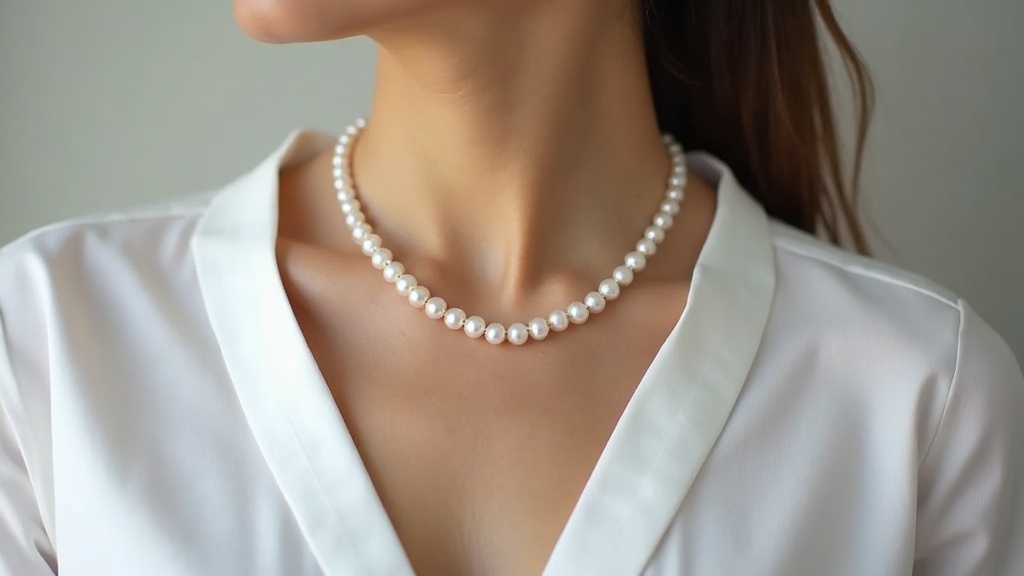
Freshwater Pearl Necklace Guide: Styles & Care
Read our complete freshwater pearl necklace guide to find the perfect strand. Learn about luster, sizing, and care tips for your everyday pearl jewelry today.
Table of Contents
- Key Takeaway
- Freshwater Pearl Necklace Guide in Context
- Introduction
- Freshwater Pearl Necklace Guide: Understanding Nacre and Luster
- Sizing and Length Options
- Evaluating Shape and Surface Quality
- Stringing and Construction Standards
- What People Are Asking
- Comparing Pearl Types
- Practical Tips
- The Bottom Line
For more about Tradelivingreview guide, see see how tradelivingreview guide works.
Key Takeaway
A freshwater pearl necklace guide is a comprehensive resource detailing the selection, evaluation, and care of cultured pearl strands. It covers essential value factors like luster, nacre thickness, and sizing to help buyers choose durable, beautiful jewelry for everyday wear.
Freshwater Pearl Necklace Guide in Context
- The most popular sizes for everyday wear measure 7.5-8.0 millimeters in pearl diameter (Pearl Paradise, 2025)[1].
- Standard necklaces are typically available in 16-18 inch necklace lengths, favoring choker and princess styles (Pearl Paradise, 2025)[1].
- Gemologists evaluate strands based on seven primary pearl value factors, including size, shape, color, luster, surface quality, nacre quality, and matching (Pearl Paradise, 2025)[1].
Introduction
Freshwater pearl necklace guides are essential for anyone looking to invest in elegant, timeless jewelry without the steep premium of saltwater alternatives. Cultivated in mussels rather than oysters, these gems offer remarkable versatility and a unique, soft glow that appeals to both novice buyers and seasoned collectors. When shopping for your first strand or adding to an existing collection, understanding the nuanced differences in cultivation and grading is crucial. This article breaks down the critical elements of pearl evaluation, from nacre thickness to stringing techniques. We will explore how to assess luster, choose the right dimensions for your neckline, and identify quality construction markers. By the end of this freshwater pearl strand guide, you will have the knowledge needed to select a beautiful, durable piece that transitions seamlessly from day to evening wear.
Freshwater Pearl Necklace Guide: Understanding Nacre and Luster
The foundation of any high-quality strand lies in its nacre thickness and the resulting surface reflection. Unlike saltwater varieties that are often bead-nucleated, these gems are typically tissue-nucleated. This cultivation method allows the mussel to produce a solid layer of nacre all the way through, resulting in exceptional durability. According to industry data, this structural difference means they generally develop a thicker nacre layer than many saltwater pearls, which directly contributes to their depth of shimmer in necklaces (Market Square Jewelers, 2024)[2].
This substantial nacre coating is precisely what creates the beloved soft glow of these gems. For a deeper understanding of official grading metrics, you can review the comprehensive GIA pearl quality grading standards which detail how gemologists evaluate these specific traits. Ashley McNamara, Owner and Graduate Gemologist at Market Square Jewelers, notes that “Freshwater pearls tend to have thicker nacre than most saltwater pearls, which gives them a softer, deeper glow that makes them especially appealing for everyday necklaces” (Market Square Jewelers, 2024)[2]. This deeper luminescence is a key reason why a buying guide for freshwater pearls always emphasizes structural integrity over mere surface perfection.
However, thickness alone does not guarantee beauty; the quality of the light return is equally vital. Josh Bazar, a pearl expert and JTV guest host, advises that “When you’re choosing a freshwater pearl necklace, luster should be your first priority – a crisp reflection on the surface tells you the nacre is thick and the pearl has life” (JTV, 2024)[3]. When evaluating a strand, look for sharp, distinct reflections of light sources on the surface, and observe any subtle overtone colors that dance across the surface. A chalky or dull appearance indicates poor nacre quality, which diminishes the overall value and visual appeal of the jewelry. While minor surface blemish marks are natural and expected, they should never compromise the structural integrity or the light return. Prioritizing sharp luster ensures your investment retains its brilliance for decades, making it a staple in your jewelry box.
Sizing and Length Options
Selecting the correct dimensions and strand length is crucial for achieving the desired aesthetic and ensuring comfortable daily wear. The diameter of the gems dramatically influences the formality and visual weight of the piece. Industry data indicates that strands measuring 7.5-8.0 millimeters in pearl diameter are described as the most popular size for everyday wear among freshwater strands (Pearl Paradise, 2025)[1]. This specific range offers a balanced look that is substantial enough to be noticed but delicate enough to remain understated during professional or casual settings.
For those seeking a more traditional or beginner piece, slightly smaller dimensions are often recommended. Noriko Tanaka, Senior Pearl Specialist at Pearl Falco, explains that “For beginners, a simple strand of white freshwater pearls in the 6.5–7.5 mm range is one of the most wearable necklace choices because it sits comfortably, flatters most necklines and transitions easily from day to evening” (Pearl Falco, 2025)[4]. This advice aligns with the broader gemological consensus that smaller, well-matched beads create a highly versatile accessory.
Beyond individual bead size, the overall length of the strand dictates how it frames the face and rests on the clothing. The most popular necklace lengths for pearl strands, including these specific types, are 16-inch chokers and 18-inch princess lengths (Pearl Paradise, 2025)[1]. A 16-inch choker sits snugly at the base of the neck, offering a classic, vintage-inspired silhouette that pairs beautifully with V-necks and open collars. Conversely, the 18-inch princess length rests gracefully on the collarbone, providing a universally flattering drape that works well with almost any neckline, from high turtlenecks to evening gowns. Understanding these standard measurements helps buyers select a piece that integrates seamlessly into their existing wardrobe.
Evaluating Shape and Surface Quality
The physical silhouette and surface cleanliness of each bead play a significant role in determining the overall character and market value of the strand. While perfectly spherical beads command the highest prices, they are not the only desirable option. In fact, the Jewelers of America pearl guide notes that the pearls used in these necklaces are most often baroque rather than perfectly round, reflecting their typical growth characteristics (Jewelers of America, 2024)[5]. Baroque shapes offer an organic, asymmetrical beauty that appeals to buyers looking for unique, non-traditional jewelry.
This diversity in shape provides immense creative opportunities for jewelry designers and consumers alike. David J. Bonaparte, President & CEO of Jewelers of America, highlights that “Freshwater pearl necklaces give designers the most creative freedom because the pearls are grown in so many shapes, from classic rounds to baroques and rice forms, which lets consumers find a look that feels personal rather than traditional” (Jewelers of America, 2024)[5]. Whether you prefer the uniform elegance of near-round beads or the artistic flair of heavily textured baroques, the shape you choose should reflect your personal style.
Surface quality is the second critical component of this evaluation. Because these gems are cultivated in natural environments, completely flawless surfaces are exceedingly rare. Gemologists look for clean surfaces with minimal blemishes, spots, or wrinkles that could detract from the overall beauty. When assessing a strand, examine the beads under good lighting to ensure that any surface imperfections are minor and do not compromise the structural integrity of the nacre. A high-quality strand will exhibit excellent matching, meaning the beads share consistent shape, color, and surface characteristics across the entire length of the strand. This careful matching is a hallmark of premium craftsmanship and significantly elevates the visual harmony of the jewelry.
Stringing and Construction Standards
The structural assembly of a pearl strand is just as important as the gems themselves, ensuring both longevity and security during wear. High-quality jewelry relies on meticulous stringing techniques to protect the delicate nacre from damage. Jewelry industry guidance consistently points to knotting between each pearl on a necklace strand as a key quality and security feature, preventing the gems from rubbing together and limiting loss if the strand breaks (Jewelers of America, 2024)[5]. These individual knots act as tiny buffers, preserving the polished surface of each bead and ensuring that a broken string results in the loss of only a single bead rather than the entire collection.
The choice of stringing material also impacts the drape and durability of the piece. Silk thread is the traditional and preferred choice for fine jewelry because it is strong, flexible, and allows the strand to drape fluidly around the neck. Because silk degrades over time, professional re-stringing every few years is essential to maintain even tension and secure knots. Regular maintenance of the stringing ensures that your jewelry remains secure and visually appealing.
Finally, the clasp mechanism must be robust and easy to operate. A secure clasp, such as a lobster claw or a well-crafted box clasp with a safety catch, prevents accidental drops and provides peace of mind. When evaluating the construction, check that the clasp is made of a durable metal like 14k or 18k gold, or sterling silver, and that the jump rings connecting the clasp to the silk are tightly closed. Paying close attention to these structural details guarantees that your jewelry remains a cherished, wearable heirloom for generations to come. For more insights on jewelry maintenance, you can read our comprehensive jewelry care and maintenance guide to keep all your accessories in pristine condition.
What People Are Asking
How do I clean my strand at home?
To clean your jewelry at home, gently wipe each bead with a soft, lint-free cloth dampened with plain water after every wear. This removes body oils, sweat, and cosmetics that can dull the luster over time. Never use ultrasonic cleaners, steam cleaners, or harsh chemical solutions, as these can strip the nacre and damage the silk stringing. For visible soil, use mild soap diluted in water, avoiding complete submersion of the silk. Always lay the piece flat on a dry towel to air dry before storing it. Proper cleaning preserves the natural beauty and structural integrity of your accessories.
Are these gems less valuable than saltwater options?
Generally, they are more affordable than saltwater varieties like Akoya or South Sea pearls, primarily because they are cultivated in larger quantities and yield multiple gems per mussel. This lower price point does not indicate a lack of quality. High-grade strands with excellent luster, thick nacre, and near-round shapes can command significant value and rival the appearance of premium saltwater options. The affordability makes them an exceptional choice for buyers seeking beautiful, durable jewelry without the steep investment. Ultimately, value is determined by the specific grading factors of the individual strand rather than just its origin.
What is the best way to store them?
The best way to store your jewelry is in a soft cloth pouch or a lined jewelry box, completely separate from harder gemstones and metals. Because nacre is relatively soft, storing the strand alongside diamonds or gold chains can lead to severe scratching and surface abrasion. Avoid hanging the piece long-term, as the bead weight can stretch the silk and weaken knots. Additionally, keep the pouch in a slightly humid environment or place a damp cloth nearby in very dry climates, as extreme dehydration can cause the nacre to crack or craze over time.
What does a freshwater pearl necklace guide say about daily wear?
Yes, they are excellent for everyday wear due to their solid nacre composition and versatile aesthetic. Their softer glow and durable structure make them highly resilient to the minor bumps and friction of daily life. To maximize lifespan, apply makeup and perfume before putting on your jewelry to prevent chemical exposure. Wipe them down with a soft cloth before putting them away at night. By following these simple habits, your strand will maintain its brilliant luster and remain a staple in your daily wardrobe for many years to come.
Comparing Pearl Types
When building a jewelry collection, understanding how different cultivation methods affect the final product helps buyers make informed decisions. Each type offers distinct advantages in terms of luster, size, and price point, catering to different aesthetic preferences and budgets.
| Feature | Freshwater Strands | Akoya Strands | South Sea Strands |
|---|---|---|---|
| Cultivation | Tissue-nucleated (mussel) | Bead-nucleated (oyster) | Bead-nucleated (oyster) |
| Typical Size | 6.0–9.0 mm | 6.0–9.0 mm | 9.0–20.0 mm |
| Luster Style | Soft, deep glow | Sharp, mirror-like | Satin, luxurious |
| Price Point | Highly affordable | Moderate to high | Premium / Luxury |
This comparison highlights why a freshwater pearl necklace guide often recommends these strands for versatile, everyday elegance, while reserving South Sea options for formal, high-impact occasions.
Practical Tips
Maximizing the longevity and beauty of your jewelry requires a few simple, consistent habits. Always follow the “last on, first off” rule when dressing. Put your strand on after applying cosmetics, perfumes, and hair products, and remove it immediately when you return home. This minimizes exposure to harsh chemicals and alcohols that can degrade the nacre and dry out the silk thread.
When evaluating a potential purchase, always examine the strand in natural daylight if possible. Artificial store lighting can sometimes mask poor luster or enhance overtone colors artificially. Examine the piece against a plain white background to accurately assess body color and subtle blemishes. If you are buying online, ensure the retailer provides high-resolution, unedited photographs and a clear return policy.
Finally, consider the climate and environment where you live. If you reside in a very dry area, occasionally wipe the beads with a barely damp cloth to introduce minimal moisture, preventing the nacre from crazing. For more detailed advice on accessorizing, check out our essential style tips for classic accessories to elevate your everyday wardrobe.
The Bottom Line
Selecting the perfect strand requires balancing luster, size, and structural integrity to find a piece that suits your personal style. By prioritizing thick nacre, sharp reflections, and secure knotting, you ensure your jewelry remains a timeless staple for years to come. This freshwater pearl necklace guide provides the foundational knowledge needed to navigate the market with confidence and avoid common purchasing pitfalls. Whether you prefer a classic princess length or a unique baroque design, understanding these core value factors guarantees a rewarding investment. Ready to expand your collection? Explore our comprehensive gemstone buying guides for more expert jewelry advice.
Sources & Citations
- Pearl Necklaces. Pearl Paradise.
https://www.pearlparadise.com/pages/pearl-necklaces - Which Pearl Is Which: A Helpful Guide. Market Square Jewelers.
https://www.marketsquarejewelers.com/blogs/msj-handbook/which-pearl-is-which-a-helpful-guide - PEARLS 101 | A Guide to Color, Luster & More. JTV.
https://www.youtube.com/watch?v=SMfCuLhGE_s - Beginner’s Guide to Pearl Jewelry: Essential Tips on How To Choose and Care. Pearl Falco.
https://www.pearlfalco.com/beginners-guide-to-pearl-jewelry/ - Pearl Buying Guide. Jewelers of America.
https://www.jewelers.org/buying-jewelry/jewelry-buying-guides/pearl-buying-guide