Discover the latest trends with our comprehensive jewelrycurrent guide. Explore sustainable metals, layered styles, and expert tips for modern accessories.
Table of Contents
- The Shift Toward Personalization and Storytelling
- Embracing Sustainable and Ethical Materials
- The Rise of Layering and Mixed Metals
- Digital Research and Everyday Versatility
- Questions from Our Readers
- Comparing Styling Approaches
- Practical Tips for Your Collection
- The Bottom Line
This jewelrycurrent guide is a comprehensive resource detailing modern accessory trends, sustainable materials, and styling techniques. It helps consumers navigate contemporary fashion choices, highlighting the shift toward personalized, everyday wearable pieces and ethical sourcing in the global market.
Market Snapshot
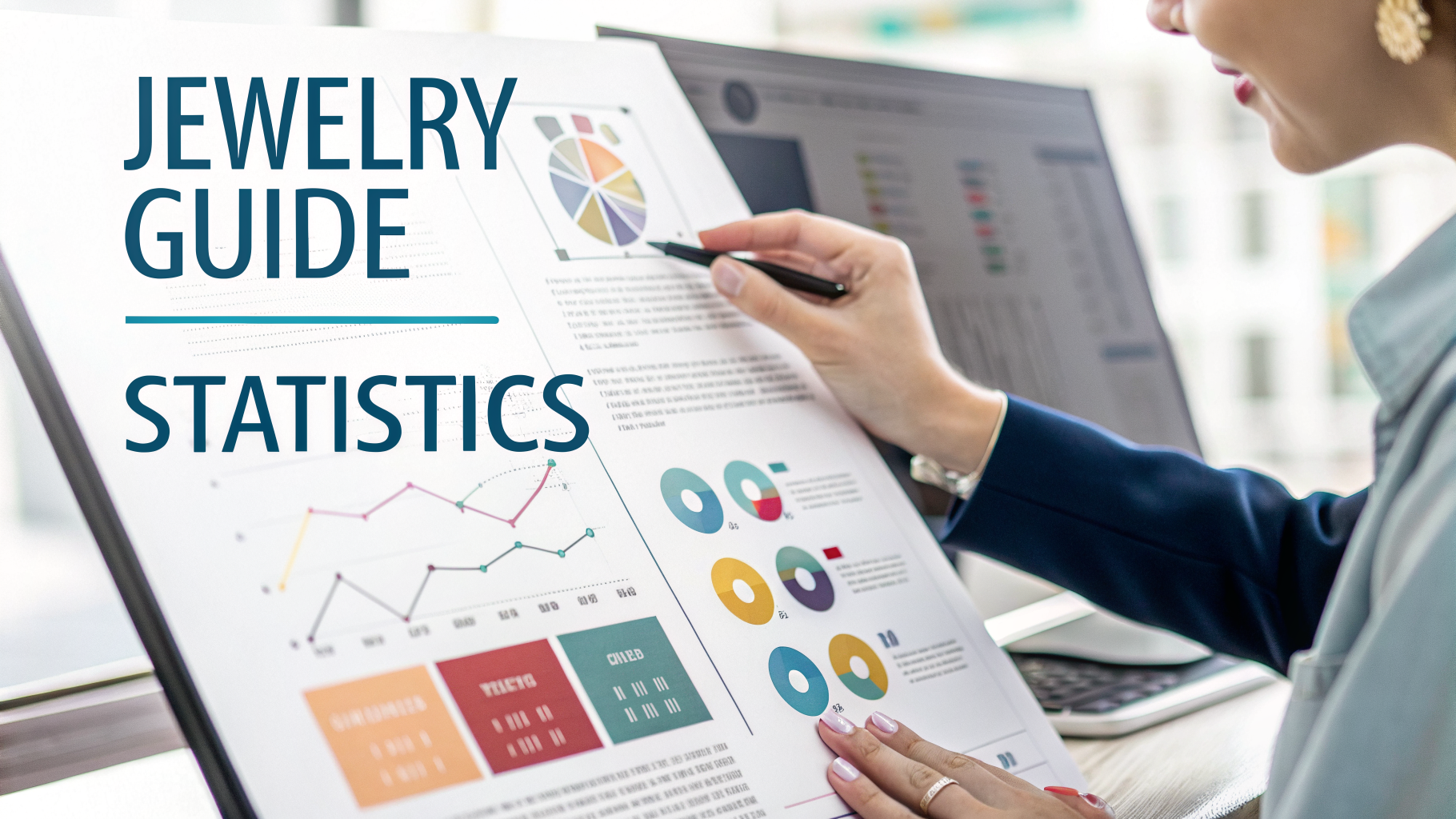
- The global jewelry market is projected to grow at a compound annual growth rate of 4.6 percent between 2024 and 2030 (Statista, 2024)[14].
- Roughly 70 percent of Gen Z and millennial shoppers say sustainability influences their purchase decisions (De Beers Group, 2025)[4].
- Layered necklaces and stacked rings were cited by 55 percent of U.S. consumers as their favorite way to wear fashion accessories (National Retail Federation, 2025)[6].
- A consumer study found that 48 percent of shoppers rely on online educational content when choosing gemstone jewelry (GIA, 2024)[10].
Navigating Modern Accessory Trends
Navigating the modern accessory landscape requires a reliable jewelrycurrent guide to separate fleeting fads from lasting style. Today’s consumers are moving away from rigid traditions, embracing pieces that reflect personal narratives and ethical values. Whether you are searching for the perfect silver bands or exploring lab-grown diamonds, understanding contemporary market shifts is essential. This article explores the defining trends shaping the industry, from mixed metals to modular designs. We will examine how digital research influences buying habits and provide actionable styling advice for everyday wear. By the end, you will have a clear understanding of how to curate a versatile, modern collection that aligns with current aesthetic and sustainable preferences.
The Shift Toward Personalization and Storytelling
Modern consumers increasingly view their accessories as extensions of their personal narratives rather than mere decorative items. This shift has transformed the way people shop, with a strong emphasis on unique, meaningful designs. According to recent industry data, about 35 percent of U.S. fine jewelry purchases in 2024 were self-purchases rather than gifts (Jewelers of America, 2024)[1]. This independence in buying behavior encourages shoppers to prioritize personal style expression over traditional gifting occasions.
When consulting a current jewelry guide, you will notice a heavy focus on customizable elements. Shoppers are actively seeking out custom engravings, birthstone pieces, and name necklaces that tell an individual story. Beth Gerstein, Co-founder and CEO of Brilliant Earth, notes that “In 2026, the most luxurious jewelry tells an individual story, with name necklaces, custom engravings, and birthstone pieces transforming beautiful objects into meaningful keepsakes” (Brilliant Earth, 2026)[2].
This desire for individuality also extends to modular designs. Ciara O’Doherty, a fashion creator, highlights that “Customizable and modular jewelry has become a major trend because if you’re investing in something like jewelry, it makes sense to have pieces you can interchange and restyle over time” (YouTube, 2025)[3]. By investing in versatile components, buyers can adapt their look without purchasing entirely new sets. Digital platforms and e-commerce platforms make it easier than ever to design these bespoke items from home. Ultimately, the modern shopper wants pieces that feel uniquely theirs, turning everyday wear into a canvas for self-expression.
Embracing Sustainable and Ethical Materials
Environmental consciousness now plays a central role in purchasing decisions, driving demand for ethically sourced stones and recycled metals. Younger demographics, in particular, are leading this charge. Research indicates that roughly 70 percent of Gen Z and millennial jewelry shoppers say sustainability influences their purchase decisions (De Beers Group, 2025)[4]. This growing awareness pushes retailers and comprehensive jewelry guides to spotlight transparent supply chains and eco-friendly production methods.
One of the most significant outcomes of this shift is the rise of lab-grown diamonds. These stones offer the exact physical and chemical properties of mined diamonds but with a significantly lower environmental impact. In fact, lab-grown diamonds represented about 20 percent of the global diamond jewelry market in 2024 (Bain & Company, 2024)[5]. Value-conscious and sustainability-focused consumers are increasingly turning to these alternative stones, appreciating both their ethical origins and their accessible price points.
Beyond diamonds, the use of recycled precious metals has become a standard expectation rather than a niche preference. Brands are now heavily marketing their use of reclaimed gold and silver bands to appeal to eco-minded buyers. For those looking to document or share these sustainable practices, following a structured article creation guide can help communicate the importance of ethical sourcing to a broader audience. By prioritizing sustainable metals, the industry is slowly reducing its reliance on destructive mining practices. This evolution ensures that beautiful fashion accessories do not come at the expense of the planet, allowing consumers to wear their values proudly.
The Rise of Layering and Mixed Metals
Styling conventions have relaxed significantly, giving way to eclectic combinations that blend different textures, lengths, and metal tones. The rigid rules of the past, which dictated matching sets and single-metal outfits, have been entirely discarded. Today, a reliable jewelry trend guide will encourage experimentation and individual flair. Layered necklaces and stacked rings were cited by 55 percent of surveyed U.S. consumers as their favorite way to wear fashion jewelry in 2025 (National Retail Federation, 2025)[6]. This popularity underscores a collective desire for dynamic, personalized looks that evolve throughout the day.
Mixing metals is another dominant trend breaking traditional boundaries. Mixed-metal designs accounted for roughly 30 percent of new jewelry SKUs launched by major U.S. retailers for the Spring/Summer 2025 season (Edited, 2025)[7]. Kendra Sharpe, a stylist and founder, observes that “More people are now mixing metals and layering different pieces to create jewelry looks that feel less polished and a little more natural” (Business Insider, 2026)[8]. Combining gold and silver tones in a single look adds depth and visual interest to any outfit.
Furthermore, bold pieces are no longer confined to formal events. JesseRay Vasquez, a jeweler and founder, points out that “Bold jewelry is no longer reserved for cocktail parties or weddings – oversized rings, diamonds, and layered chains are being paired with jeans and T-shirts to create a street-chic look” (Business Insider, 2026)[9]. This democratization of fine jewelry means that stackable rings and statement pieces are now part of the everyday wardrobe. By embracing these relaxed styling rules, individuals can curate a collection that feels effortlessly cool and distinctly their own.
Digital Research and Everyday Versatility
The modern buying journey is heavily influenced by online education, with shoppers prioritizing versatile pieces suited for daily wear. Before making a purchase, consumers are conducting extensive digital research to understand materials, styling options, and brand ethics. A consumer study found that 48 percent of shoppers rely on online guides and educational content when choosing gemstone jewelry (GIA, 2024)[10]. To deepen your understanding of gemological standards, you can explore the comprehensive gemological research findings provided by industry experts.
This reliance on digital content translates directly into sales, as online channels account for an estimated 20 percent of global jewelry sales (McKinsey & Company, 2024)[11]. Shoppers use search engines to compare prices, read reviews, and find the perfect jewelrycurrent guide that aligns with their specific needs. They are looking for pieces that offer maximum utility. In a 2024 survey, 60 percent of respondents said they prefer jewelry that can be worn every day and across occasions (The Knot, 2024)[12].
This demand for versatility has elevated specific design elements, such as bezel settings, which protect stones from daily wear and tear. Brilliant Earth reported that bezel-set engagement rings and fine jewelry pieces grew by approximately 25 percent year-over-year heading into 2026 (Brilliant Earth, 2026)[13]. These practical yet elegant designs perfectly suit the modern lifestyle, where individuals transition seamlessly from work to social events. By leveraging digital tools and prioritizing everyday wear, buyers are making smarter, more intentional investments in their accessory collections. This educated approach minimizes buyer remorse and fosters long-term satisfaction with their purchases.
Questions from Our Readers
What is the most popular metal trend right now?
Are lab-grown diamonds considered real diamonds?
How do I style layered necklaces without them tangling?
Why are self-purchases increasing in the fine jewelry market?
Comparing Styling Approaches
When building a modern accessory collection, understanding the distinct characteristics of different styling approaches highlighted in a jewelrycurrent guide helps you make informed decisions. Each method offers unique benefits depending on your lifestyle and aesthetic preferences.
| Approach | Best For | Key Characteristic |
|---|---|---|
| Minimalist Layering | Everyday wear | Delicate, lightweight gold necklaces |
| Bold Statement | Evening events | Oversized, eye-catching gemstone rings |
| Mixed Metals | Versatile styling | Combining gold and silver tones |
| Modular Designs | Long-term value | Interchangeable, customizable components |
Practical Tips for Your Collection
Building a versatile and lasting collection requires a strategic approach to both purchasing and maintenance. First, prioritize pieces with secure settings, such as bezel designs, which protect gemstones from the bumps and scratches of daily life. This is especially important for rings and bracelets that endure constant contact with surfaces.
When experimenting with mixed metals, ensure you clean each piece according to its specific material requirements. Silver bands may need specialized polishing cloths to prevent tarnish, while gold pieces can often be cleaned with mild soap and warm water. Storing them separately in soft pouches will prevent harder metals from scratching softer ones.
Finally, take advantage of digital resources before making significant purchases. Reading a detailed jewelrycurrent guide or utilizing specialized review platforms can help you verify a brand’s sustainability claims and understand the true value of the materials. By combining mindful purchasing habits with proper at-home care, you can ensure your accessories remain beautiful and meaningful for years to come.
The Bottom Line
The modern accessory landscape is defined by personal expression, ethical sourcing, and relaxed styling rules. By consulting a reliable jewelrycurrent guide, you can navigate these shifts and build a collection that truly reflects your individual values and aesthetic preferences. Whether you are embracing mixed metals, investing in lab-grown stones, or layering delicate chains, the focus remains on versatility and meaning. To continue exploring lifestyle trends and digital research strategies, browse more insightful content on creepinghemlock.com today.
Useful Resources
- Consumer Trends Research. Jewelers of America.
https://www.jewelers.org/ja/consumer-trends-research - Jewelry Trends 2026. Brilliant Earth.
https://www.brilliantearth.com/jewelry/buying-guide/trends/ - The Top Jewellery Trends 2025. YouTube.
https://www.youtube.com/watch?v=WOob8jLWvc4 - Diamond Insight Report 2024. De Beers Group.
https://www.debeersgroup.com/reports/diamond-insight-report-2024 - Global Diamond Industry Report 2024. Bain & Company.
https://www.bain.com/insights/global-diamond-industry-report-2024/ - Accessories and Jewelry Consumer Trends 2025. National Retail Federation.
https://nrf.com/research/accessories-and-jewelry-consumer-trends-2025 - Jewelry Trends Report 2025. Edited.
https://edited.com/resources/jewelry-trends-report-2025 - 5 Jewelry Trends That Are In This Summer. Business Insider.
https://www.businessinsider.com/best-and-worst-jewelry-right-now-summer-trends-jewelers-stylists-2026-5 - 5 Jewelry Trends That Are In This Summer. Business Insider.
https://www.businessinsider.com/best-and-worst-jewelry-right-now-summer-trends-jewelers-stylists-2026-5 - Gemstone Jewelry Consumer Research 2024. GIA.
https://www.gia.edu/gemstone-jewelry-consumer-research-2024 - State of Fashion Jewelry Report. McKinsey & Company.
https://www.mckinsey.com/industries/retail/our-insights/state-of-fashion-jewelry-report - Jewelry Trends Survey. The Knot.
https://www.theknot.com/content/jewelry-trends-survey - Jewelry Trends 2026. Brilliant Earth.
https://www.brilliantearth.com/jewelry/buying-guide/trends/ - Global Jewelry Market Size Forecast. Statista.
https://www.statista.com/statistics/1170623/global-jewelry-market-size-forecast/
For more about Jewelrycurrent guide, see Jewelrycurrent Guide.