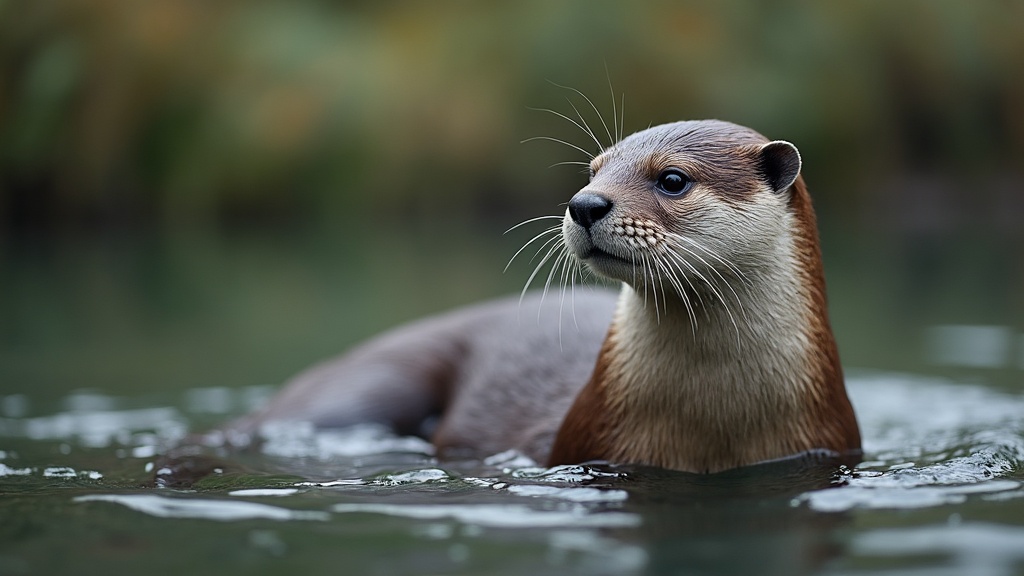
Fresh Water Otter Facts, Habitat, and Behavior Guide
Learn everything about the fresh water otter, including its habitat, diet, behavior, and ecological importance. This guide covers North American river otters that thrive in freshwater rivers, lakes, and wetlands across the United States and Canada.
Table of Contents
- Habitat and Geographic Range
- Physical Adaptations for Aquatic Life
- Diet and Foraging Behavior
- Conservation Status and Ecological Role
- Frequently Asked Questions
- Comparison: Fresh Water Otter vs. Sea Otter
- Practical Tips for Observing River Otters
- Final Thoughts on Fresh Water Otter
- Sources & Citations
Quick Summary: The fresh water otter, scientifically known as the North American river otter (Lontra canadensis), is a semiaquatic mammal found in rivers, lakes, ponds, and wetlands across nearly all U.S. states and Canada. These playful predators are indicators of clean water and play a vital role in maintaining healthy aquatic ecosystems. Adult river otters typically weigh 11–30 pounds and measure 35–50 inches in length.
Quick Stats: Fresh Water Otter
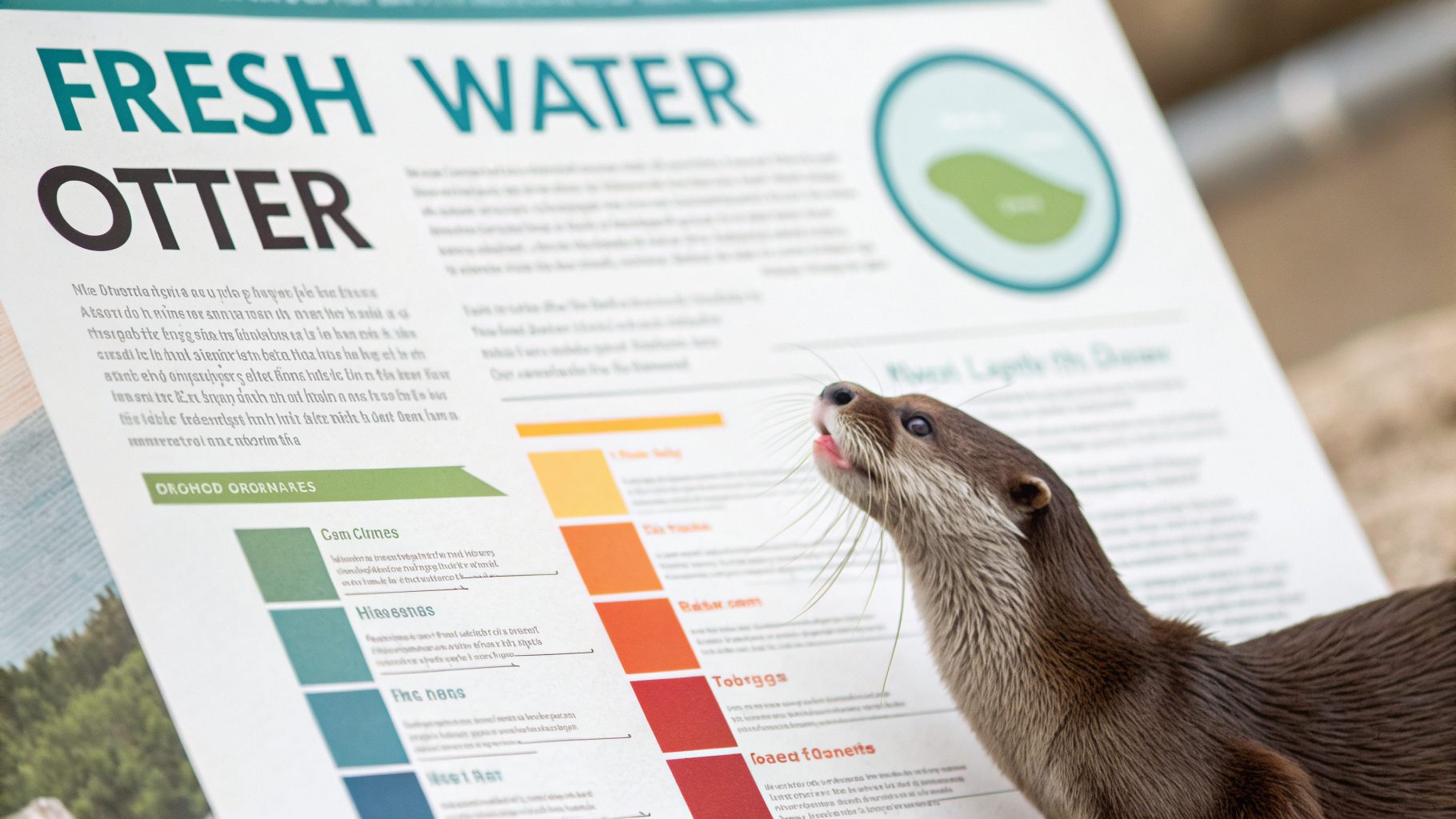
- Weight: Adult river otters in freshwater habitats typically weigh 11–30 pounds (5–14 kg) (MassWildlife, 2024)[1]
- Diving Depth: River otters can dive to at least 60 feet (18 meters) and stay submerged for more than four minutes (Alaska Department of Fish and Game, 2024)[2]
- Distribution: River otters occur in 49 U.S. states (all except Hawaii), occupying freshwater rivers, lakes, and wetlands (National Fish and Wildlife Foundation, 2024)[3]
- Swimming Speed: River otters can swim at speeds up to approximately seven miles per hour when hunting in rivers and lakes (National Forest Foundation, 2024)[4]
Habitat and Geographic Range
The fresh water otter is one of the most widely distributed aquatic mammals in North America. According to Florida Fish and Wildlife Conservation Commission biologists, river otters usually prefer fresh water and can be found in rivers, creeks, lakes, ponds, and swamps, but they can also live in brackish water and occasionally salt water near estuaries[5]. This adaptability allows them to thrive in a variety of aquatic environments across the continent.
Geographically, river otters occur in every U.S. state except Hawaii, with populations spanning from Florida to Alaska. In Alaska specifically, monitoring data from the Alaska Department of Fish and Game confirms that river otters occupy most freshwater and coastal regions, with only three major regional exceptions including the Aleutian Islands and areas near the Arctic coast[2]. Their range extends throughout Canada as well, making them one of the most successful freshwater predators on the continent.
Preferred Freshwater Ecosystems
River otters show a strong preference for healthy, unpolluted freshwater systems. National Wildlife Federation scientists note that North American river otters are semiaquatic mammals that rely on healthy freshwater rivers, lakes, and wetlands[6]. They require stable banks for denning, abundant prey populations, and water that remains unfrozen during winter months. Otters often use abandoned beaver lodges, muskrat burrows, or natural cavities along riverbanks as resting and birthing sites.
The presence of river otters is considered a strong indicator of ecosystem health. MassWildlife biologists emphasize that river otters are indicators of clean water; because they are top predators in aquatic systems, they are vulnerable to pollution and habitat degradation[1]. Conservation efforts that protect otter habitats therefore benefit entire watersheds and the many species that depend on them. For those interested in learning more about how freshwater ecosystems support diverse wildlife, the freshwaterpearlnecklace guide offers additional context on aquatic biodiversity.
Physical Adaptations for Aquatic Life
The fresh water otter possesses a remarkable suite of physical adaptations that make it exceptionally suited for life in water. Their streamlined bodies, powerful tails, and webbed feet allow them to navigate rivers and lakes with speed and agility. Alaska Department of Fish and Game biologists report that river otters dive to depths of at least 60 feet and can stay submerged for more than four minutes, an adaptation that allows them to exploit a wide range of freshwater and coastal habitats[2].
Adult North American river otters that inhabit freshwater systems typically weigh between 5 and 14 kilograms (11–30 pounds), according to zoological sources compiled by Wikipedia (2024)[7]. Their bodies are long and slender, measuring 3–4 feet (0.9–1.2 meters) in total length including the tail[6]. This elongated shape reduces drag in water, while their thick, water-repellent fur provides insulation against cold temperatures.
Sensory and Locomotion Abilities
River otters have excellent vision both above and below water, with specialized lenses that refract light to compensate for the difference between air and water. Their whiskers, or vibrissae, are highly sensitive and help them detect prey movements in murky water. On land, river otters can move at surprising speeds, but their true athleticism shows in the water where they can swim at speeds up to approximately seven miles per hour[4].
These physical traits allow river otters to hunt effectively across different freshwater environments, from slow-moving rivers to fast-flowing streams. Their ability to hold their breath for extended periods and dive to significant depths gives them access to prey that other surface predators cannot reach. U.S. Department of the Interior biologists confirm that river otters are much smaller than sea otters and primarily use freshwater habitats, although they also venture into coastal environments[8].
Diet and Foraging Behavior
The fresh water otter is an opportunistic carnivore that feeds primarily on fish, but its diet also includes crayfish, amphibians, reptiles, birds, and small mammals. As top predators in aquatic food webs, river otters help regulate prey populations and maintain ecological balance. Their foraging behavior is closely tied to the health and productivity of the freshwater systems they inhabit.
River otters typically hunt during dawn and dusk, though they may be active at any time of day. They use their keen senses and swimming speed to chase down prey, often cornering fish against underwater obstacles or banks. In rivers and lakes, otters may work in pairs or small family groups to herd fish into shallow water where they are easier to catch. The National Wildlife Foundation describes how they play an important ecological role as predators of fish and invertebrates in freshwater ecosystems[6].
Seasonal Feeding Patterns
River otters adjust their feeding strategies based on seasonal changes in prey availability. During winter, when ice covers many lakes and rivers, otters maintain access to water through holes in the ice or by traveling between open patches. They may also switch to alternative prey such as frogs or small mammals when fish become harder to catch. In spring and summer, when fish are more abundant, otters focus their hunting efforts on spawning species that gather in shallow waters.
The foraging success of river otters depends heavily on water quality. Because they consume large quantities of fish and other aquatic organisms, otters accumulate pollutants that contaminate their prey. This makes them valuable sentinel species for monitoring environmental health. For readers interested in broader ecological topics, the create seo resource provides insights into content strategies for environmental education.
Conservation Status and Ecological Role
The conservation status of the fresh water otter has improved significantly over the past century. Historically, river otters were heavily trapped for their dense, luxurious fur, and populations declined dramatically across much of their range. However, improved wildlife management, habitat restoration, and reintroduction programs have helped populations recover in many areas. Today, river otters are classified as a species of Least Concern by the International Union for Conservation of Nature (IUCN), though local populations may still face threats from pollution, habitat loss, and human disturbance.
MassWildlife biologists emphasize that river otters are indicators of clean water[1]. This ecological role makes them important ambassadors for freshwater conservation. When river otter populations are healthy, it typically means the entire aquatic ecosystem is functioning well. Conversely, declines in otter numbers can signal problems such as chemical contamination, habitat fragmentation, or declines in prey populations.
Threats and Management
Despite their recovery, river otters still face several significant threats. Water pollution from agricultural runoff, industrial discharges, and urban development can contaminate their prey and degrade their habitats. Habitat destruction from dam construction, river channelization, and shoreline development reduces available denning sites and foraging areas. Road mortality is also a concern in areas where otter habitats intersect with human infrastructure.
Conservation efforts for river otters typically focus on protecting and restoring riparian habitats, maintaining water quality standards, and regulating trapping activities. Many states have implemented monitoring programs to track otter populations and assess ecosystem health. Public education about the importance of clean water and healthy wetlands benefits not only otters but also the countless other species that share their freshwater habitats. For those seeking to learn more about river otter conservation, the National Wildlife Federation’s river otter guide offers comprehensive information.
Important Questions About Fresh Water Otter
What is the difference between a river otter and a sea otter?
The primary difference lies in their habitat and size. River otters (fresh water otters) are smaller, typically weighing 11–30 pounds, and primarily inhabit freshwater rivers, lakes, and wetlands. Sea otters are much larger, averaging 45–65 pounds, and live exclusively in marine coastal environments. U.S. Department of the Interior biologists confirm that river otters are much smaller and primarily use freshwater habitats, although they also venture into coastal environments[8]. Additionally, sea otters spend almost their entire lives in water, while river otters regularly travel on land between waterways.
Where do fresh water otters live in the United States?
River otters occur in every U.S. state except Hawaii, occupying a wide range of freshwater habitats including rivers, lakes, ponds, wetlands, and swamps. They are most abundant in areas with clean water and abundant prey. Florida Fish and Wildlife Conservation Commission biologists note that river otters usually prefer fresh water but can also live in brackish water and occasionally salt water near estuaries[5]. Their distribution is limited only by the availability of suitable aquatic habitats and adequate food resources.
How long can a fresh water otter stay underwater?
River otters can stay submerged for more than four minutes at a time, according to Alaska Department of Fish and Game biologists[2]. This remarkable breath-holding ability allows them to dive to depths of at least 60 feet (18 meters) while hunting for fish and other prey. Their bodies have several adaptations that enable extended dives, including a slowed heart rate underwater, efficient oxygen storage in their muscles, and the ability to redirect blood flow to vital organs during submersion.
Why are river otters important for freshwater ecosystems?
River otters serve as keystone predators and indicator species in freshwater ecosystems. As top predators, they help control populations of fish, crayfish, and other aquatic organisms, maintaining balance in the food web. MassWildlife biologists emphasize that river otters are indicators of clean water; because they are top predators in aquatic systems, they are vulnerable to pollution and habitat degradation[1]. A healthy otter population typically indicates good water quality and a functioning ecosystem, making them valuable sentinels for environmental monitoring and conservation planning.
Comparison: Fresh Water Otter vs. Sea Otter
While both species belong to the mustelid family, the fresh water otter and the sea otter have evolved distinct adaptations for their respective environments. Understanding these differences helps clarify why river otters are better suited to freshwater habitats while sea otters are exclusively marine. The table below summarizes key differences based on data from the U.S. Department of the Interior and wildlife agencies.
| Characteristic | Fresh Water Otter (River Otter) | Sea Otter |
|---|---|---|
| Typical Weight | 11–30 pounds (5–14 kg)[7] | 45–65 pounds (20–29 kg)[8] |
| Primary Habitat | Freshwater rivers, lakes, wetlands[5] | Marine coastal environments |
| Body Length | 3–4 feet (0.9–1.2 meters)[6] | 4–5 feet (1.2–1.5 meters) |
| Diving Depth | Up to 60 feet (18 meters)[2] | Up to 330 feet (100 meters) |
| Time on Land | Regularly travels on land | Rarely leaves water |
Practical Tips for Observing River Otters
Observing fresh water otters in their natural habitat can be a rewarding experience for wildlife enthusiasts. However, these animals are often elusive and require patience and preparation to spot. Here are some practical tips for increasing your chances of seeing river otters in the wild.
First, focus your search on clean, unpolluted waterways. River otters are indicators of clean water, so they are most commonly found in areas with good water quality. Look for them in rivers, lakes, and wetlands that have healthy fish populations and natural shoreline vegetation. Early morning and late afternoon are the best times for otter viewing, as these are their most active feeding periods.
Second, learn to recognize otter signs. Otter tracks are distinctive, with five toes and webbing visible in soft mud. Their droppings, called spraints, are often left on prominent rocks, logs, or riverbanks as territorial markers. Slides on muddy banks where otters have slid into the water are another clear sign of their presence. Finally, move quietly and stay downwind to avoid alerting otters to your presence. Binoculars or a spotting scope will allow you to observe from a respectful distance without disturbing these sensitive animals.
For more about Fresh water otter, see explore fresh water otter in depth.
Final Thoughts on Fresh Water Otter
The fresh water otter is a remarkable creature that embodies the health and vitality of North America’s freshwater ecosystems. From their impressive diving abilities to their role as indicators of clean water, river otters demonstrate the intricate connections between wildlife and environmental quality. Their recovery from historical over-trapping stands as a conservation success story, but continued efforts are needed to protect the clean water and healthy habitats they depend on. To explore more about the diverse wildlife that shares freshwater habitats, visit the freshwaterpearlnecklace guide for additional insights into aquatic ecosystems and conservation topics.
Sources & Citations
- Learn about river otters. MassWildlife.
https://www.mass.gov/info-details/learn-about-river-otters - River Otter Species Profile. Alaska Department of Fish and Game.
https://www.adfg.alaska.gov/index.cfm?adfg=riverotter.printerfriendly - Seven Quick Facts About River Otters. National Fish and Wildlife Foundation.
https://www.nationalforests.org/article/seven-quick-facts-about-river-otters/ - Seven Quick Facts About River Otters. National Forest Foundation.
https://www.nationalforests.org/article/seven-quick-facts-about-river-otters/ - River Otter – Aquatic Mammals. Florida Fish and Wildlife Conservation Commission.
https://myfwc.com/wildlifehabitats/profiles/mammals/aquatic/river-otter/ - North American River Otter. National Wildlife Federation.
https://www.nwf.org/Educational-Resources/Wildlife-Guide/Mammals/North-American-River-Otter - North American river otter. Wikipedia.
https://en.wikipedia.org/wiki/North_American_river_otter - 12 Facts About Otters for Sea Otter Awareness Week. U.S. Department of the Interior.
https://www.doi.gov/blog/12-facts-about-otters-sea-otter-awareness-week