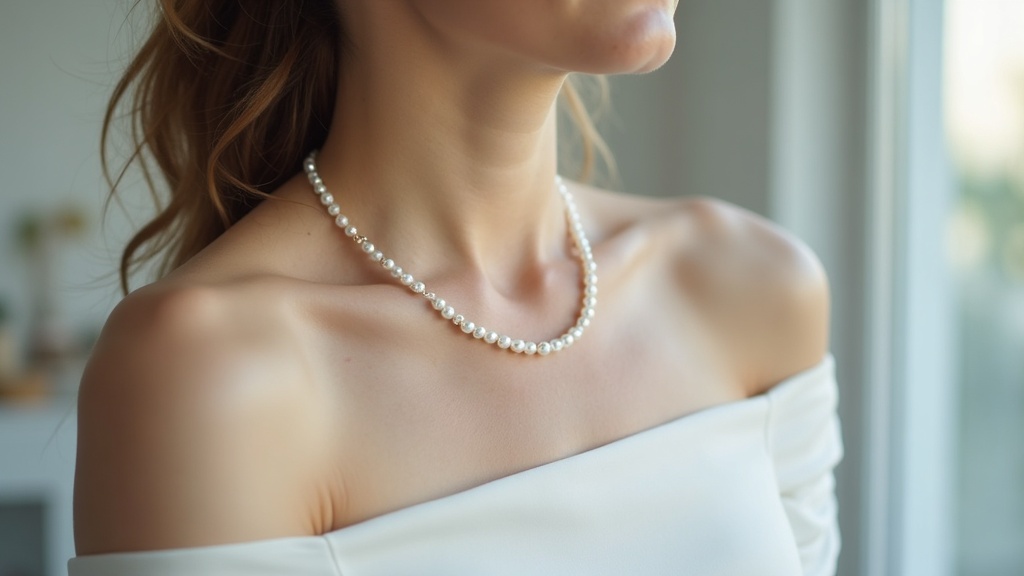
Read our complete freshwater pearl necklace guide to help you choose the perfect strand. Learn about luster, lengths, and styles for your everyday jewelry elegance.
Table of Contents
- Understanding Pearl Quality
- Choosing the Right Length
- Shapes and Color Variations
- Care and Maintenance
Quick Summary
This freshwater pearl necklace guide is a comprehensive resource for selecting cultured pearl jewelry. It covers essential value factors like luster, nacre thickness, and surface quality. Readers will learn how to evaluate strand matching, choose the correct length, and identify natural color variations for everyday wear.
By the Numbers
- The 17-19 inch length range for princess freshwater pearl necklaces is considered the most versatile for daily wear (ALYA Pearl, 2025)[1].
- The 7.5-8.0 millimeter diameter for popular freshwater pearl necklace sizes remains the top choice for classic everyday strands (Pearl Paradise, 2025)[2].
- Evaluating a strand involves seven primary value factors, including luster, surface quality, and matching (Pearl Paradise, 2025)[2].
This freshwater pearl necklace guide provides essential insights for anyone looking to invest in timeless organic gem jewelry. Unlike saltwater varieties, these cultured pearls are grown in lakes and rivers, offering exceptional durability and a broad palette of natural hues. When selecting a strand, buyers must look beyond basic aesthetics and understand the underlying value factors that dictate both beauty and price. This freshwater pearl necklace buying guide breaks down the critical elements of pearl evaluation, from luster and nacre quality to surface purity. We will also explore standard length categories, shape variations, and practical care routines to keep your jewelry looking pristine. Whether you are shopping for a classic white strand or a unique baroque design, mastering these fundamentals ensures a confident purchase. Let us dive into the specifics of building a versatile and elegant collection.
Understanding Pearl Quality and Value Factors
Evaluating the quality of cultured pearl jewelry requires a careful examination of several distinct physical characteristics, as outlined in any good freshwater pearl jewelry guide. According to industry standards, there are seven primary value factors used to evaluate pearl necklaces: size, shape, color, luster, surface quality, nacre quality, and matching (Pearl Paradise, 2025)[2]. Among these, luster is universally regarded as the most critical indicator of beauty. When you are comparing freshwater pearl necklaces, luster should be your top priority – high-luster pearls have crisp, mirror-like reflections and will look more luxurious even at smaller sizes (Blue Nile, 2025)[3]. A simple visual test involves checking for a crisp, mirror-like reflection of a fingernail when held against the pearl surface (Jewelry Television, 2025)[4].
Nacre quality is equally important, as it directly influences both the luster and the long-term durability of the gemstone. Nacre forms as layer upon layer of protein coats an irritant inside a mollusk, ultimately creating the lustrous surface of pearl gemstones used in necklaces (Blue Nile, 2025)[3]. Thicker nacre generally produces deeper iridescence and protects the inner bead from peeling or cracking over time. Surface quality is the next consideration; while flawless specimens are exceedingly rare, minor blemishes that do not compromise the structural integrity are acceptable and often help authenticate the organic origin of the gems.
Matching refers to the consistency of these traits across the entire strand. A well-matched necklace ensures that the gems blend harmoniously in terms of size, color, and overtone. Because a universally standardized pearl grading system is a myth, the most reliable approach is to work with a reputable seller and compare quality factors side by side (Pearl Paradise, 2025)[2]. For those researching how to evaluate these traits, reading a detailed article creation guide can help you structure your own jewelry reviews.
Choosing the Right Length and Style
The length of a pearl strand dramatically alters its visual impact and determines which necklines it complements best. Jewelers typically categorize these accessories into four standard necklace length categories: choker, princess, matinee, and opera or rope (ALYA Pearl, 2025)[1]. Each category serves a distinct stylistic purpose, ranging from formal elegance to relaxed, everyday versatility. Understanding these measurements is a core component of any guide to freshwater pearl necklaces.
Chokers typically measure between 14 and 16 inches, sitting snugly against the base of the throat. This length is highly traditional and pairs beautifully with V-necks or off-the-shoulder garments. The princess length is widely considered the most versatile option for modern wardrobes. Specifically, the 17-19 inch length range for princess freshwater pearl necklaces is described by pearl specialists as the most versatile length for everyday wear (ALYA Pearl, 2025)[1]. This length rests gracefully on the collarbone, making it an ideal choice for both professional environments and casual outings.
For those seeking a more dramatic or formal appearance, matinee lengths span 20 to 24 inches, falling just above the bust. This style adds a touch of sophistication to business attire and evening wear. Opera and rope lengths, measuring 28 to 36 inches or longer, offer the most styling flexibility. They can be worn as a single long strand, doubled up for a layered effect, or even knotted. If you want a safe choice, specialists recommend picking a princess length with bright luster and a clean overall surface, as those details matter far more than chasing a perfect round shape (ALYA Pearl, 2025)[1]. Exploring ways to increase website ranking for jewelry blogs often involves creating detailed size guides like this one.
Freshwater Pearl Necklace Guide to Shapes and Colors
The physical shape and natural color of cultured gems significantly influence their aesthetic appeal and market value. While perfectly round specimens command the highest premiums, they are not the only desirable option. In fact, freshwater pearls are most often baroque in shape compared with the generally rounder shapes typical of Akoya and other saltwater pearl necklaces (Jewelers of America, 2025)[5]. Baroque shapes feature unique, asymmetrical contours that give each piece a distinct, organic character. Many buyers specifically seek out these irregular forms for their artistic and modern appeal.
Evaluating the Color Palette
Beyond shape, the natural color palette of these gems is remarkably diverse. Unlike some saltwater varieties that require chemical bleaching or dyeing, these gems occur naturally in a variety of colors including white-rose, lavender, cream, and peach, giving freshwater necklaces a broad palette of natural hues (Little Girls Pearls, 2025)[6]. This natural diversity allows buyers to select shades that complement their specific skin tones and personal style preferences. White and cream remain the most traditional choices, offering classic elegance that never goes out of fashion.
However, pastel shades like soft peach and delicate lavender have surged in popularity, particularly among younger demographics looking for a modern twist on classic jewelry. When evaluating color, it is important to distinguish between the body color and the overtone. The body color is the dominant hue, while the overtone is a secondary, translucent color that appears to float just above the surface. A high-quality strand will exhibit consistent body colors and matching overtones throughout the entire piece. For unique designs, some collectors explore specialized options like custom animal silhouette pendants to pair with their favorite strands. Ultimately, the choice between classic white and vibrant pastels depends entirely on the wearer’s individual taste.
Proper Care and Maintenance Routines
Maintaining the pristine condition of organic gemstones requires specific handling and storage practices. Because they are composed of calcium carbonate and conchiolin, these gems are significantly softer than diamonds or sapphires, making them vulnerable to scratches and chemical damage. Freshwater pearl necklaces offer some of the best value in the pearl category because they are durable, widely available in different shapes and colors, and can be worn every day with minimal worry (Jewelers of America, 2025)[5]. However, daily wear still necessitates a mindful approach to preservation to ensure the nacre remains vibrant and intact over the decades.
The golden rule for wearing these accessories is to put them on last and take them off first. This prevents exposure to cosmetics, perfumes, hairsprays, and lotions, all of which contain chemicals that can dull the luster and degrade the nacre over time. After each wear, gently wipe the strand with a soft, lint-free cloth to remove natural skin oils and environmental pollutants. Avoid using ultrasonic cleaners, steam cleaners, or harsh abrasive brushes, as these methods can easily fracture the delicate surface or strip away the iridescent layers.
Proper storage is equally critical. Never store these items in airtight plastic bags or safety deposit boxes for extended periods, as the lack of ambient moisture can cause the organic material to dry out, crack, or yellow. Instead, keep them in a soft pouch or a lined jewelry box, separated from harder gemstones and metal clasps that could cause abrasion. If the strand is worn frequently, have the silk or nylon thread professionally restrung every one to two years to prevent accidental breakage. Following these simple maintenance steps guarantees that your freshwater pearl necklace investment remains beautiful for generations.
Questions from Our Readers
How do I know if a pearl has good luster?
Luster is the most critical factor in determining beauty and value. To evaluate it, hold the gem under a light source and look at the sharpness of the reflection. High-quality specimens will show a crisp, mirror-like reflection where you can clearly see your own image or a distinct light source. If the reflection appears blurry, chalky, or dull, the nacre quality is likely inferior. Always prioritize bright, sharp reflections over perfect roundness when making your selection.
What is the most popular size for everyday wear?
The most popular and versatile size for daily wear typically falls between 7.0 and 8.0 millimeters in diameter. This specific range offers a balanced look that is substantial enough to be noticed but not so large that it overwhelms the wearer or looks overly formal. Smaller sizes, around 5.0 to 6.0 millimeters, are often chosen for a more delicate, youthful appearance, while sizes above 9.0 millimeters are generally reserved for statement pieces and formal evening events.
Are baroque shapes less valuable than round ones?
Generally, perfectly round specimens command the highest prices due to their rarity and traditional appeal. However, baroque shapes – which are asymmetrical and irregular – are not necessarily considered inferior if they possess excellent luster and clean surfaces. In fact, many modern jewelry designers and collectors actively seek out unique baroque forms for their artistic, one-of-a-kind aesthetic. The value ultimately depends on the overall beauty, luster, and how well the unique shape is incorporated into the jewelry design.
Can I wear my strand in the shower or pool?
You should never wear these organic gemstones in the shower, swimming pool, or ocean. Chlorine, salt water, and harsh soaps can severely damage the delicate nacre, causing it to lose its luster, become pitted, or even dissolve over time. Additionally, water can weaken the silk or nylon thread used to string the necklace, leading to stretching and potential breakage. Always remove your jewelry before swimming, bathing, or engaging in heavy physical activities that cause excessive sweating.
Comparing Cultured Pearl Varieties
When shopping for pearl jewelry, it is helpful to understand how different cultured varieties compare in terms of size, origin, and typical characteristics. This freshwater pearl necklace guide contrasts the main types available on the market today.
| Variety | Typical Size | Common Shapes | Origin Environment |
|---|---|---|---|
| Freshwater | Smallest average | Mostly baroque | Lakes and rivers |
| Akoya | Slightly larger | Mostly round | Saltwater oceans |
| Tahitian | Large | Round to baroque | Saltwater lagoons |
| South Sea | Largest average | Round to baroque | Saltwater oceans |
Practical Tips for Buyers
Purchasing high-quality jewelry requires a strategic approach to ensure you receive the best value for your investment. Here are several actionable tips to keep in mind during your search:
- Always examine the strand in natural daylight if possible, as artificial store lighting can artificially enhance the apparent luster and mask surface blemishes.
- Check the drill holes closely; clean, smooth holes indicate careful manufacturing, while chipped edges suggest rough handling or lower-quality processing.
- Run the strand gently through your fingers to feel for consistent sizing and smooth transitions between individual gems, ensuring a harmonious drape.
- Ask the seller for specific details regarding the nacre thickness and any post-harvest treatments, such as bleaching or polishing, that may have been applied.
By following these practical steps, you can confidently navigate the market and select a beautiful piece that meets your exact standards. Taking the time to physically inspect the jewelry or request high-resolution, unedited photographs from online retailers will prevent disappointment and ensure long-term satisfaction with your purchase.
Wrapping Up
Selecting the perfect strand involves balancing luster, length, shape, and proper maintenance routines. This freshwater pearl necklace guide has outlined the essential value factors and practical considerations needed to make an informed decision. By prioritizing high-quality nacre and understanding the nuances of natural colors and baroque shapes, you can build a versatile collection that lasts a lifetime. Remember to store your jewelry properly and avoid harsh chemicals to preserve its natural beauty. For more insights on jewelry care and styling, explore additional resources and expert articles available on creepinghemlock.com.
Further Reading
- Freshwater Pearl Necklace Guide: Length, Styles & Meaning. ALYA Pearl.
https://alyapearl.com/blogs/the-pearl-guide-1/freshwater-pearl-necklace-guide-length-styles-meaning - Pearl Necklaces: The Expert How-to Guide on Selection. Pearl Paradise.
https://www.pearlparadise.com/pages/pearl-necklaces - Pearl Gemstone Guide & Buying Tips. Blue Nile.
https://www.bluenile.com/education/pearl - PEARLS 101 | A GUIDE TO COLOR, LUSTER & MORE. Jewelry Television.
https://www.youtube.com/watch?v=SMfCuLhGE_s&vl=en - Pearl Buying Guide. Jewelers of America.
https://www.jewelers.org/buying-jewelry/jewelry-buying-guides/pearl-buying-guide - Freshwater Pearls: All You Need to Know. Little Girls Pearls.
https://littlegirlspearls.com/blogs/articles/freshwater-pearls-all-you-need-to-know
For more about Cat lover gift guide, see Cat Lover Gift Guide.