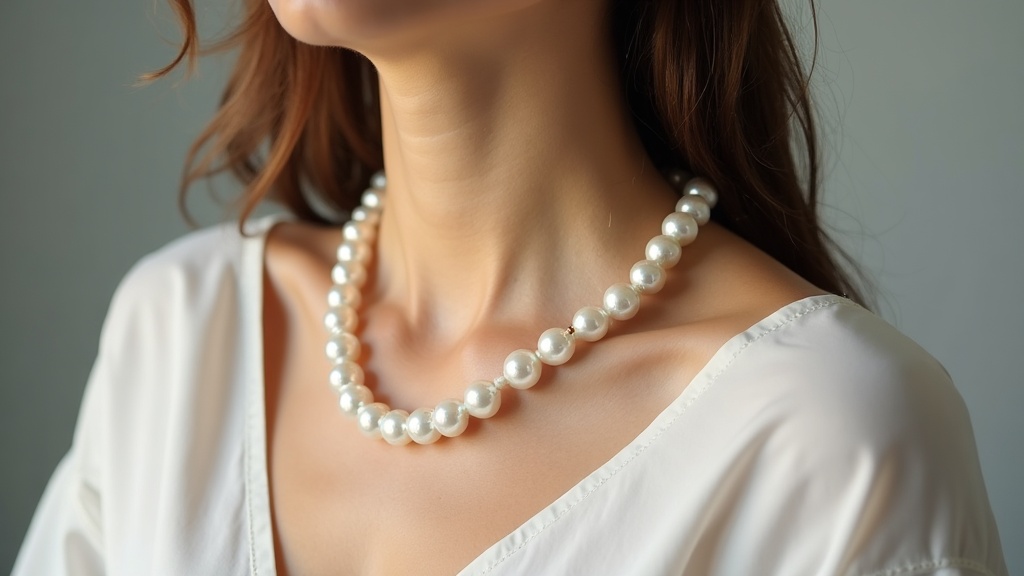
Use this complete freshwater pearl necklace guide to select, style, and care for cultured gems. Discover expert tips for choosing the perfect pearl strand today.
Table of Contents
- Evaluating Quality in Your Freshwater Pearl Necklace
- Sizing and Market Trends for Pearl Strands
- Styling Your Pearl Accessories
- Navigating the Global Jewelry Market
- Questions from Our Readers
- Comparing Pearl Types
- Practical Tips for Buyers
- Before You Go
Article Snapshot
This freshwater pearl necklace guide is a comprehensive resource detailing the selection, evaluation, and styling of cultured pearl jewelry. This overview covers essential grading factors like luster and surface quality, popular sizing metrics, and modern styling techniques to help buyers make informed purchasing decisions.
Quick Stats: Freshwater Pearl Necklaces
- The global pearl jewelry market reached $10.5 billion in 2024 (Allied Market Research, 2024)[1].
- Cultured gems account for 95% of total production volume (Food and Agriculture Organization of the United Nations, 2024)[2].
- Typical retail sizes for popular strands range from 7.5–8 mm (Pearl Paradise, 2024)[3].
- Among younger buyers, 48% prefer these gems for their affordability (Plumb Club, 2025)[4].
Introduction
This freshwater pearl necklace guide provides essential insights for anyone looking to invest in elegant, timeless jewelry. Cultured gems have transformed the accessory market, offering exceptional beauty without the exorbitant price tags associated with traditional saltwater varieties. Whether you are purchasing your first strand or adding to an existing collection, understanding the nuances of pearl grading, sizing, and styling is crucial. This guide breaks down the gemological factors that dictate value and visual appeal. We will explore market trends, contemporary styling techniques, and practical maintenance tips to ensure your investment remains radiant for years to come.
Evaluating Quality in Your Freshwater Pearl Necklace
When consulting a freshwater pearl necklace guide, evaluating quality is the most critical step. The visual beauty of a pearl strand depends heavily on specific gemological characteristics rather than just sheer dimensions. Luster, which refers to the sharpness and intensity of light reflecting off the surface, is paramount. High-quality nacre produces a deep, mirror-like shine that gives the gem its signature glow. Surface quality is equally important; while minor blemishes are natural, excessive spots or cracks can compromise both the aesthetics and structural integrity of the jewelry.
Industry professionals emphasize that buyers often misjudge these factors. According to Stuart Robertson, Vice President of Research at Gemworld International, “The biggest mistake new buyers make with freshwater pearl necklaces is focusing solely on size instead of prioritizing luster and surface quality, which have a far greater impact on visual beauty” (Gemworld International, 2025)[5]. Understanding pearl grading systems helps consumers differentiate between commercial-grade pieces and fine jewelry. Matching is another vital component, as a well-matched strand requires meticulous sorting to ensure uniform overtone and orient across dozens of individual gems. Overtone refers to the secondary color that seems to float over the primary body color, while orient is the iridescent rainbow effect seen on the finest specimens.
Sizing and Market Trends for Pearl Strands
The physical dimensions of your jewelry significantly influence its overall look and price point. A comprehensive guide to freshwater pearl necklaces must address the standard measurements that dominate the retail space. Most classic strands feature gems that are carefully calibrated to provide a balanced, elegant drape around the neckline. The cultivation process allows for a wide variety of sizes, but consumer preferences tend to cluster around specific, versatile dimensions that suit both casual and formal wear. The specific species of mollusk used in cultivation, along with the water temperature and nutrient levels, directly influences the final dimensions and growth rate of the gems.
Retail data shows that the typical retail size range for most popular strands is 7.5–8 mm (Pearl Paradise, 2024)[3]. This size offers a substantial presence without feeling overly heavy. Furthermore, the most popular necklace lengths sold in the U.S. market are 16–18 inches (Pearl Paradise, 2024)[3], which sit perfectly at the collarbone. Pricing reflects these standards, with the average price range for a classic 7–8 mm strand sitting between $300–$800 in specialty retail environments (Jewelers of America, 2024)[6]. These metrics provide a reliable baseline for buyers navigating the jewelry market and setting realistic budgets.
Styling Your Pearl Accessories
Modern jewelry styling has completely revitalized how these classic gems are worn. Moving away from strictly formal occasions, contemporary fashion embraces versatile pearl accessories that blend traditional elegance with everyday edge. Designers and consumers alike are experimenting with unique shapes and innovative layering techniques to create highly personalized looks. This shift has broadened the appeal of cultured gems, making them a staple in modern wardrobes rather than just heirloom pieces kept in a vault.
Baroque shapes are particularly influential in this trend. Sonia Esther Soltani, Editor-in-Chief of Rapaport Magazine, notes that “Designers are increasingly turning to baroque freshwater pearl necklaces because each pearl is unique, giving high-end pieces a more individual and contemporary feel” (Rapaport Magazine, 2025)[7]. For a highly personalized touch, many buyers also explore unique options like custom cat silhouette necklaces that blend classic gems with modern, playful motifs. Layering these unique pieces with delicate gold chains has become a popular styling trick, helping the gems shed their formal reputation and appeal to younger demographics looking for expressive, everyday jewelry.
Navigating the Global Jewelry Market
The broader jewelry market reflects a massive surge in demand for cultured gems, driven by improved cultivation techniques and shifting consumer demographics. Freshwater varieties now dominate the global supply chain, offering an accessible entry point for new collectors while maintaining the prestige associated with fine jewelry. Understanding the macroeconomic trends and production volumes helps buyers contextualize the value of their purchases and recognize why these gems are so prevalent in retail environments today. When using a freshwater pearl necklace guide, recognizing these market forces is key to spotting genuine value.
The global pearl jewelry market reached $10.5 billion in 2024 and is projected to grow at a compound annual growth rate of 7.3% through 2033 (Allied Market Research, 2024)[1]. A major driver of this expansion is the sheer volume of production; cultured gems account for 95% of total production volume (Food and Agriculture Organization of the United Nations, 2024)[2], with freshwater varieties making up an estimated 90% of that supply (Food and Agriculture Organization of the United Nations, 2024)[2]. Jennifer Heebner of the Cultured Pearl Association of America states, “Freshwater pearls today offer buyers an incredible range of shapes, colors and price points, which makes them one of the most versatile choices for a first pearl necklace” (Cultured Pearl Association of America, 2025)[8]. Content creators covering these trends can benefit from a solid article creation guide to structure their reviews, while retailers looking to increase website ranking should focus on educational content.
Questions from Our Readers
How do I properly clean my pearl strand?
To maintain the luster of your jewelry, wipe the gems gently with a soft, damp cloth after each wear to remove oils and sweat. Never use ultrasonic cleaners, harsh chemicals, or abrasive brushes, as these can strip the delicate nacre. Allow the strand to air dry completely before storing it to prevent the silk thread from stretching or weakening.
What is the difference between baroque pearls and round pearls?
Round pearls are perfectly spherical and highly valued for their symmetry, making them ideal for classic, uniform strands. Baroque pearls, on the other hand, feature irregular, asymmetrical shapes. While round gems are traditional, baroque shapes are celebrated in contemporary jewelry styling for their unique, organic forms and distinct light-reflecting properties.
Why are cultured gems more affordable than saltwater options?
The affordability stems from the cultivation process and yield. A single freshwater mollusk can produce multiple gems simultaneously, whereas saltwater oysters typically yield only one or two. This higher production volume, combined with lower operational costs in freshwater farming, allows retailers to offer beautiful, high-luster strands at a fraction of the cost.
How should I store my pearl accessories to prevent damage?
Always store your jewelry in a soft pouch or a lined jewelry box, separate from harder gemstones and metals that could scratch the surface. Avoid airtight plastic bags, as the gems need a slight amount of moisture to prevent the nacre from drying out and cracking. Lay the strand flat to prevent the stringing material from stretching over time.
Comparing Pearl Types
When using a freshwater pearl necklace guide, it is helpful to understand how these gems compare to other varieties on the market. Each type offers distinct advantages depending on your budget and aesthetic preferences.
| Feature | Freshwater Cultured | Saltwater Cultured | Shell Pearls |
|---|---|---|---|
| Origin | Lakes and rivers | Ocean environments | Manufactured |
| Luster | Soft, deep glow | Sharp, mirror-like | Uniform, painted |
| Durability | High (thick nacre) | Moderate (thinner nacre) | Very high |
| Price Point | Affordable | Premium | Budget |
Practical Tips for Buyers
Making a smart purchase requires attention to detail and a solid understanding of jewelry construction. A good freshwater pearl necklace guide will always emphasize the physical build of the piece. Follow these actionable best practices to ensure you select a high-quality piece that will last a lifetime.
- Examine the drill holes: Look closely at the drilling points. Clean, small, and neat holes indicate careful manufacturing, while rough or chipped edges suggest lower-quality processing.
- Check the clasp mechanism: Ensure the clasp is made of durable metal like gold or sterling silver and features a secure locking mechanism to prevent accidental loss.
- Assess the stringing: High-quality strands are knotted between each gem. This prevents the pieces from rubbing together and ensures that if the strand breaks, you only lose one gem.
- Seek gemological education: For deeper insights into grading and authenticity, consult comprehensive pearl education resources provided by recognized industry institutes.
Before You Go
This freshwater pearl necklace guide has covered the essential aspects of selecting, styling, and maintaining your cultured accessories. By prioritizing luster, understanding standard sizing, and embracing modern styling techniques, you can confidently choose a piece that reflects your personal taste. Explore more jewelry insights and content strategies on creepinghemlock.com to elevate your collection and knowledge.
Learn More
- Global pearl jewelry market size and CAGR. Allied Market Research.
https://www.alliedmarketresearch.com/pearl-jewelry-market - Share of cultured pearls in total production volume. Food and Agriculture Organization of the United Nations.
https://www.fao.org/fishery/en/publication/cultured-pearls - Typical retail size range and popular necklace lengths. Pearl Paradise.
https://www.pearlparadise.com/pages/pearl-necklaces - Consumer interest and younger buyer preferences. Plumb Club.
https://www.plumbclub.com/industry-research - Pricing Dynamics in the Pearl Market. Gemworld International.
https://www.gemguide.com - Average price range for classic strands. Jewelers of America.
https://www.jewelers.org - Pearls Move Center Stage in Contemporary Jewelry. Rapaport Magazine.
https://www.rapaport.com - U.S. Pearl Jewelry Market Outlook 2025. Cultured Pearl Association of America.
https://www.cpaa.org
For more about Cat lover gift guide, see Cat Lover Gift Guide.