Read our complete dragonyurts guide for building and living in circular dwellings. Learn about off-grid construction, insulation, and sustainable housing options now.
Table of Contents
- Key Takeaway
- Introduction
- The dragonyurts guide to Construction Basics
- Choosing the Right Foundation and Site
- Insulation and Weatherproofing Techniques
- Interior Layout and Off-Grid Living
- Questions from Our Readers
- Comparing Shelter Options
- Practical Tips
- Key Takeaways
Key Takeaway
The dragonyurts guide is a comprehensive resource detailing the assembly, maintenance, and customization of circular dwellings. It covers essential topics like lattice wall erection, roof ring installation, and canvas covering techniques to help builders create durable, eco-friendly alternative shelters for various climates.
Introduction to Circular Living
The dragonyurts guide provides essential insights for anyone looking to transition toward sustainable housing and nomadic architecture. These unique structures have housed communities for centuries, offering a brilliant blend of portability and resilience. Modern adaptations maintain the traditional timber frame while integrating contemporary materials for enhanced durability.
Whether you are planning a temporary glamping setup or a permanent off-grid residence, understanding the core mechanics of these buildings is crucial. This article explores the fundamental principles of yurt construction, from selecting the ideal location to installing robust insulation layers. We will also examine weatherproofing strategies, interior layout optimization, and heating solutions. By the end of this read, you will possess the foundational knowledge required to embark on your own circular dwelling project with confidence and precision.
The dragonyurts guide to Construction Basics
The structural integrity of any circular dwelling relies heavily on its timber frame and tension band. A standard build begins with the lattice wall, which forms the vertical perimeter of the structure. These wooden panels are lashed together at the joints, allowing them to expand and contract like an accordion. Once the walls are positioned and secured to the wooden door frame, the roof poles are attached.
The roof ring, or crown, sits at the apex of the structure. This central component supports the weight of the roof poles and provides an opening for natural light and ventilation systems. The angle of the roof poles determines the overall height and interior volume of the space. Builders must ensure that the tension band wrapping around the top of the lattice wall is incredibly secure. This band counteracts the outward thrust generated by the roof poles, keeping the entire wooden skeleton stable.
When following a reliable dragonyurts guide, you will notice a strong emphasis on material selection. Modern designs utilize kiln-dried pine or engineered hardwoods for greater longevity, moving beyond traditional willow or birch. The canvas covering is then draped over the frame. Modern covers typically consist of an outer layer of treated canvas for weatherproofing, a middle layer of reflective insulation, and an inner decorative liner. This multi-layered approach ensures the structure remains comfortable across different seasons.
Proper assembly requires careful attention to the connections between the roof poles and the roof ring. Wooden pegs or heavy-duty metal brackets are commonly used to lock these pieces in place. The entire framework is designed to flex slightly under heavy wind or snow loads, which prevents catastrophic failure. This flexibility is a hallmark of nomadic architecture, allowing the shelter to withstand harsh environmental conditions without compromising its structural core.
Choosing the Right Foundation and Site
Selecting the appropriate location and foundation options is a critical step detailed in every comprehensive dragonyurts guide. Unlike conventional buildings, these structures do not require deep concrete footings. However, they still need a perfectly level and well-drained base to prevent moisture intrusion and structural shifting. A slightly elevated platform is highly recommended to protect the bottom edge of the canvas covering from ground moisture and pooling water.
Many builders opt for a circular wooden deck constructed from pressure-treated lumber. This approach provides a solid anchor point for the lattice wall and the door frame. The deck should extend beyond the exterior walls to divert rainwater. Alternatively, enthusiasts use compacted gravel pads or concrete piers topped with a wooden subfloor. The choice largely depends on the local climate, soil composition, and whether the structure is intended to be semi-permanent or easily relocatable.
Site selection also involves analyzing solar exposure and wind patterns. Positioning the door away from prevailing winter winds reduces heat loss and prevents snow from drifting against the entrance. Maximizing southern exposure allows the structure to capture passive solar heat during the colder months. Trees can provide valuable summer shade, but builders must avoid placing the shelter directly under large branches that could fall during storms.
Drainage is another vital consideration when reviewing your dragonyurts guide. The surrounding terrain should slope gently away from the foundation to channel rainwater runoff. Installing a French drain or a simple gravel trench around the perimeter can significantly extend the lifespan of the flooring and lower canvas walls. Taking the time to properly prepare the site ensures that the alternative shelter remains dry, stable, and comfortable for years to come.
Insulation and Weatherproofing Techniques
Effective climate control is the cornerstone of comfortable living in a circular dwelling, making insulation layers a primary focus in any dragonyurts guide. The standard canvas exterior provides basic protection against wind and rain, but it lacks inherent thermal resistance. To make the space habitable year-round, builders must install specialized insulation between the outer cover and the inner liner. Felted wool is the traditional choice, offering excellent thermal properties and natural moisture regulation.
Modern alternatives include closed-cell foam boards, reflective bubble insulation, and recycled denim batts. Reflective barriers are particularly effective at radiating heat back into the living space during winter and reflecting solar radiation during summer. When installing these materials, it is crucial to maintain a continuous envelope without gaps. Reviewing residential insulation standards and best practices can help builders optimize thermal efficiency. Seams should be overlapped and taped to prevent thermal bridging and drafts.
Weatherproofing extends beyond thermal insulation. The outer canvas must be treated with a high-quality waterproofing agent and a UV protectant to prevent degradation from sun exposure. Cover seams are sewn with UV-resistant thread and sealed with flexible tape. The roof ring cover requires a heavy-duty zipper or pulley system to ensure a tight seal.
Condensation management is another critical aspect highlighted in a thorough dragonyurts guide. Human respiration, cooking, and heating generate significant moisture inside the shelter. Without adequate airflow, this moisture can condense on the inner liner, leading to mold and mildew. Installing a proper stovepipe flashing, utilizing the roof ring vent, and adding lower wall vents create a passive convection current that expels humid air.
Interior Layout and Off-Grid Living
Designing the interior layout of a circular space requires a departure from conventional rectangular floor plans. The absence of interior load-bearing walls offers immense flexibility, but the curved perimeter dictates how furniture and fixtures are arranged. A well-planned approach emphasizes zoning the space based on daily activities, utilizing the central area for communal gatherings and the perimeter for storage and sleeping quarters.
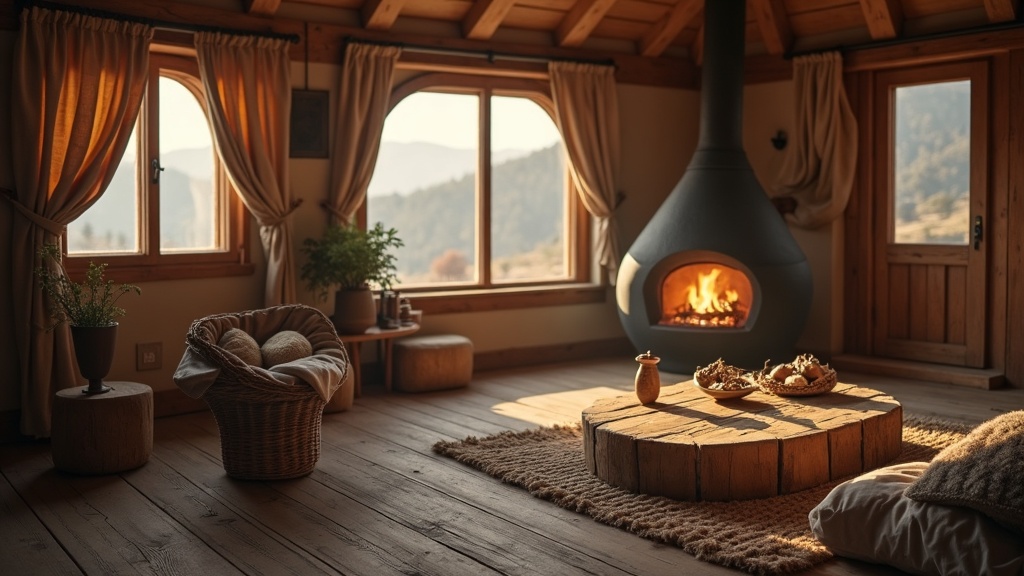
Custom curved cabinetry maximizes storage along the lattice walls, while low-profile furniture maintains an open, airy feel. The center of the structure is often reserved for a wood-burning stove, which serves as both a heating solution and a visual focal point. The stovepipe routes directly up through the roof ring, requiring careful installation of fireproof flashing to protect the canvas and insulation.
Applying the dragonyurts guide to Off-Grid Systems
Transitioning to off-grid living in this type of alternative shelter involves integrating sustainable systems for power, water, and waste. Solar panels can be mounted on nearby ground arrays or adjacent structures to generate electricity without compromising the roof’s integrity. Rainwater harvesting systems can be adapted to collect runoff from the circular roof, directing it into storage tanks for filtration and use. Composting toilets and greywater filtration beds handle sanitation needs without requiring connection to municipal sewer lines.
Lighting design also plays a crucial role in shaping the ambiance. The roof ring provides abundant natural daylight, reducing the need for artificial illumination during the day. For the evening, warm LED strip lights hidden behind the interior crown ring or low-hanging pendant lights create a cozy atmosphere. By thoughtfully combining smart spatial planning with independent utility systems, residents can enjoy a highly functional, eco-friendly lifestyle that harmonizes with the natural environment.
Questions from Our Readers
How long does it take to assemble the timber frame?
Assembling the timber frame typically takes a small team of three to four people about one to two days, depending on their experience level. The process involves expanding the lattice walls, securing the door frame, and hoisting the roof ring into place. A temporary central support pole makes lifting the crown safer. Once the roof poles are inserted and the tension band is tightened, the structural skeleton is complete and ready for the insulation layers and canvas covering.
Can these structures withstand heavy snow loads?
Yes, when built correctly, they can handle significant snow accumulation. The steep angle of the roof poles encourages snow to slide off naturally, preventing excessive weight buildup. However, builders in regions with extreme winter weather must reinforce the roof ring and use thicker, engineered timber for the rafters. Using a long-handled roof rake to gently clear heavy accumulation ensures the structure remains uncompromised throughout winter.
What is the expected lifespan of the outer canvas?
The outer canvas covering generally lasts between eight and fifteen years, depending on the climate and maintenance routine. Prolonged exposure to intense ultraviolet radiation and heavy precipitation will accelerate wear and tear. To maximize longevity, owners should apply a fresh coat of UV-resistant waterproofing treatment every two to three years. Trimming surrounding vegetation and promptly repairing small tears helps preserve the fabric and maintain weatherproofing.
Are permits required for building on private land?
Permit requirements vary significantly depending on local zoning laws and building codes. In many rural jurisdictions, temporary or semi-permanent structures below a certain square footage do not require formal building permits. However, installing permanent foundation options or connecting to the electrical grid usually requires formal inspections and approvals. It is always best to consult with your municipal planning department before beginning site preparation to ensure full compliance with local regulations.
Comparing Shelter Options
When evaluating alternative housing, it is helpful to compare the unique characteristics of circular dwellings against other popular eco-friendly building methods. Each approach offers distinct advantages regarding cost, assembly time, and thermal efficiency.
| Feature | Circular Dwellings | Timber Frame Cabins | Geodesic Domes |
|---|---|---|---|
| Assembly Time | 1 to 3 days | Several weeks | 3 to 5 days |
| Material Cost | Low to Moderate | High | Moderate |
| Portability | Highly Portable | Permanent | Semi-Portable |
| Wind Resistance | Excellent | Good | Exceptional |
While traditional cabins offer permanent stability, they require extensive labor and heavy machinery. Geodesic domes provide superior aerodynamics but involve complex geometry for interior finishing. The dragonyurts guide offers a balanced middle ground, delivering rapid deployment and excellent portability without sacrificing structural resilience or comfort.
Practical Tips for a Successful Build
Embarking on your first construction project requires careful planning and attention to detail. Begin by thoroughly reviewing your chosen dragonyurts guide before unboxing any materials. Lay out all timber components to verify everything is present. Pre-treating the wooden lattice with a borate solution protects against insects and rot.
When raising the roof ring, use a heavy-duty canvas sling rather than chains or ropes that could gouge the wood. Always tighten the tension band gradually, working your way around the perimeter to ensure even pressure distribution. For those interested in documenting their build process or sharing their progress online, following a structured article creation guide can help you organize your photos and notes into a compelling narrative.
Finally, consider the long-term maintenance of your site. Installing a gravel perimeter and ensuring proper ground sloping will prevent water damage. If you eventually decide to expand your digital footprint or share your off-grid knowledge with a wider audience, exploring our seo services can provide valuable strategies for reaching like-minded individuals in the sustainable living community.
Key Takeaways
Transitioning to a circular lifestyle offers a unique blend of historical tradition and modern sustainability. By mastering the principles of timber framing, site preparation, and climate control, you can create a highly resilient and comfortable living space. The dragonyurts guide empowers builders to achieve off-grid independence while minimizing their environmental footprint. Whether you are seeking a tranquil backyard retreat or a full-time nomadic residence, these structures provide an elegant solution. Explore more innovative building strategies and sustainable living concepts right here on creepinghemlock.com to continue your journey toward eco-friendly housing.
Further Reading
- The Complete Yurt Handbook. Eco-Living Press.
https://www.ecolivingpress.com/yurt-handbook - Modern Nomadic Architecture and Design. Sustainable Shelter Journal.
https://www.sustainableshelterjournal.org/nomadic-architecture
For more about Dragonyurts guide, see Dragonyurts Guide.