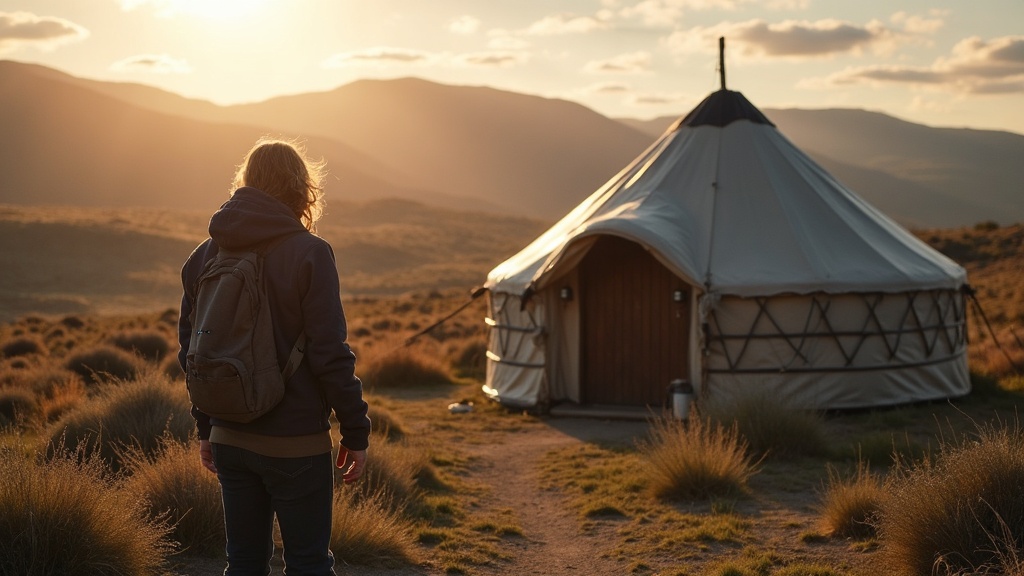
Read our complete dragonyurts guide to master yurt camping, setup, and off-grid living. Discover essential tips for canvas tents and sustainable tourism.
Table of Contents
- Understanding the Anatomy of a Yurt
- Site Selection and Foundation Preparation
- Step-by-Step dragonyurts guide for Assembly
- Climate Control and Insulation Layers
- Your Most Common Questions
- Comparing Shelter Options
- Practical Tips for Yurt Maintenance
- Wrapping Up
Article Snapshot
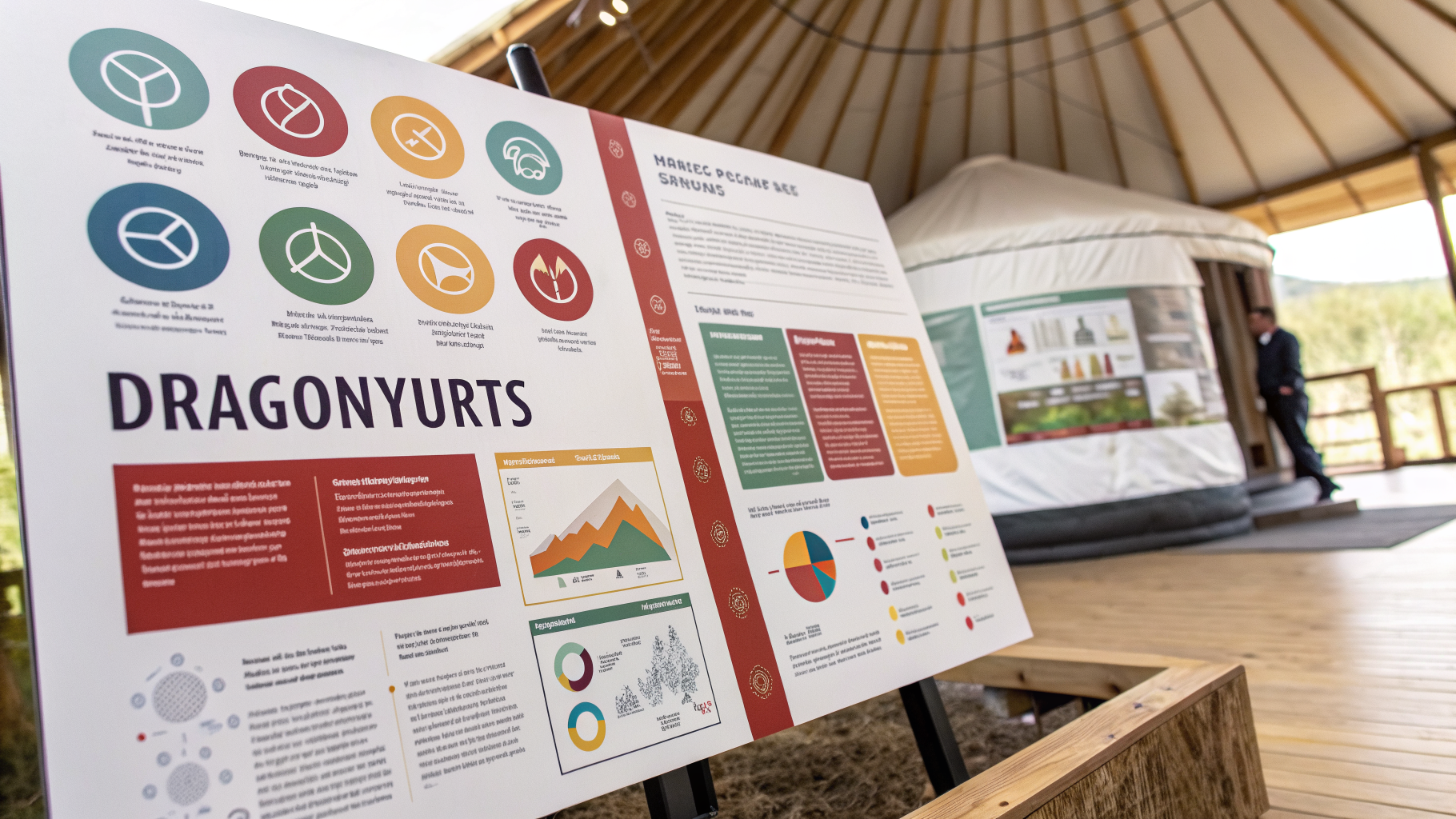
This dragonyurts guide is a comprehensive resource for setting up and enjoying circular canvas dwellings. This overview covers structural assembly, weatherproofing techniques, and sustainable off-grid living practices for outdoor enthusiasts seeking portable shelter solutions.
This dragonyurts guide provides essential knowledge for anyone looking to embrace nomadic architecture and wilderness lodging. Whether you are planning a weekend nature getaway or a long-term off-grid living arrangement, understanding the structural integrity of these circular dwellings is crucial. Yurt camping has surged in popularity within the sustainable tourism sector, offering a unique blend of comfort and eco-friendly accommodation. In this article, we will explore the fundamental components of a traditional canvas tent, from the wooden lattice walls to the central roof ring. You will learn how tension bands maintain the shape and how insulation layers keep the interior comfortable across varying climates. By the end of this read, you will have a solid foundation for assembling, maintaining, and enjoying your portable shelter in any environment.
Understanding the Anatomy of a Yurt
Every portable shelter relies on a precise arrangement of interlocking components to maintain its distinctive circular shape. The foundation of this nomadic architecture begins with the wooden lattice, which forms the expandable vertical walls. These lattice sections are tied together and expanded to create the base perimeter of the circular dwelling. Once the walls are standing, a heavy-duty tension band is wrapped around the exterior to prevent the walls from pushing outward under the weight of the roof.
Above the walls sits the central roof ring, a crucial wooden crown that supports the radiating roof poles. These poles slide into the ring and rest on the top of the lattice, creating a conical roof structure that efficiently sheds rain and snow. For those documenting their build process, following a structured article creation guide can help you share your construction journey with the growing glamping community. Understanding these core elements is the first step in any thorough dragonyurts guide, ensuring your structure remains stable and secure against the elements.
Site Selection and Foundation Preparation
Choosing the right location is the most critical step before assembling any temporary housing structure. A successful outdoor retreat requires a flat, well-drained surface to prevent water pooling beneath the floorboards. When preparing the ground for your dragonyurts guide project, clear away sharp rocks, roots, and debris that could puncture the ground cover or compromise the structural integrity of the floor frame.
Many enthusiasts opt for a raised wooden platform to elevate the canvas tents above the damp earth. This platform not only provides a solid anchoring point for the tension bands but also improves airflow beneath the shelter, reducing moisture buildup. If you are setting up on grass or soil, laying down a heavy-duty vapor barrier is essential to protect the interior from ground moisture. Proper site preparation transforms a basic nature getaway into a comfortable, long-lasting eco-friendly accommodation that respects the surrounding landscape while providing a stable base for your wilderness lodging.
Step-by-Step dragonyurts guide for Assembly
Following a systematic dragonyurts guide ensures that the canvas cover and wooden frame align perfectly during the erection process. The assembly typically requires two or three people and begins by erecting the lattice walls and securing the door frame. Once the tension band is tightly fastened, the team lifts the roof ring using a central support pole or by manually raising the roof poles into place. To understand the deeper cultural context, you can explore the historical evolution of nomadic dwellings and how these designs have adapted over centuries.
After the wooden skeleton is complete, the next phase involves draping the weather-resistant fabric. The inner liner is attached first, followed by the insulation layers, and finally the outer waterproof cover. Each layer is pulled taut and secured with ropes or straps to prevent flapping in high winds. This methodical approach to following your dragonyurts guide ensures that all seams align properly, creating a taut, aerodynamic exterior that withstands harsh weather conditions while maintaining a cozy interior environment.
Climate Control and Insulation Layers
Regulating interior temperatures requires strategic use of insulation layers and proper ventilation techniques. In colder climates, a reflective bubble insulation or felt liner traps heat inside the circular dwelling, making it highly efficient to warm with a small wood stove. The central roof ring often features a skylight or smoke hole that can be opened to release excess heat and smoke, acting as a natural chimney. This passive ventilation is a hallmark of traditional yurt camping and modern off-grid living alike.
During warmer months, removing the heavy insulation and relying on the breathable inner liner helps maintain a comfortable temperature. Rolling up the lower sections of the outer cover allows cross-breeze to flow through the space. Many off-grid enthusiasts also run digital businesses from their remote setups, often utilizing our seo services to grow their online enterprises while living in nature. Mastering these climate control techniques is a vital chapter in any comprehensive dragonyurts guide, ensuring year-round comfort regardless of the external weather.
Your Most Common Questions
How long does it take to set up a yurt?
Setting up a standard portable shelter typically takes between four and eight hours for a small team of two to three people. The initial wooden lattice and roof ring assembly is the most time-consuming phase, requiring careful alignment of the rafters. Once the frame is secure, draping the waterproof cover and insulation layers moves much faster. Experienced owners can often reduce this time significantly, but first-time builders should allocate a full day to ensure every tension band and structural joint is properly secured.
Are canvas tents suitable for winter camping?
Yes, these structures are highly effective for winter use when equipped with proper insulation layers and a wood-burning stove. The conical roof design naturally sheds heavy snow, preventing dangerous accumulation that could collapse flat-roofed temporary housing. Adding a reflective thermal liner and sealing the floor gaps keeps the interior remarkably warm. The thick weather-resistant fabric also blocks harsh winds, making them a superior choice for cold-weather wilderness lodging compared to standard nylon camping tents.
Do I need a building permit for a yurt?
Permit requirements vary significantly depending on local zoning laws and whether the structure is classified as temporary or permanent. Because the wooden lattice and canvas covers are generally considered temporary housing, many jurisdictions do not require standard building permits for short-term setups. However, if you install a permanent wooden platform, connect to municipal utilities, or intend to live there year-round, local authorities may classify it as a permanent dwelling. Always consult your local planning department before establishing a long-term outdoor retreat.
How do I prevent mold on the waterproof cover?
Preventing mold requires maintaining good airflow and keeping the exterior fabric clean and dry. Ensure the inner liner and outer cover have a gap between them to allow air circulation, which prevents condensation buildup. Regularly brush off dirt, leaves, and tree sap, as organic debris holds moisture against the canvas. If the shelter is located in a heavily shaded or humid area, periodically treating the exterior with a canvas-safe anti-fungal spray will protect the material and extend the lifespan of your eco-friendly accommodation.
Comparing Shelter Options
When planning an outdoor retreat, evaluating different shelter types helps you choose the best option for your specific needs. While traditional camping gear offers quick mobility, circular dwellings provide superior comfort and structural stability for extended stays. Below is a comparison of popular wilderness lodging options to help contextualize the value of a dragonyurts guide.
| Feature | Yurts | Bell Tents | Timber Cabins |
|---|---|---|---|
| Setup Time | 4-8 Hours | 1-2 Hours | Weeks/Months |
| Weather Resistance | High | Moderate | Very High |
| Portability | Moderate | High | None |
| Winter Viability | Excellent | Poor | Excellent |
Practical Tips for Yurt Maintenance
Maintaining your circular dwelling ensures it remains a safe and comfortable eco-friendly accommodation for years to come. Regular upkeep prevents minor wear from turning into costly structural repairs. Here are the best practices for preserving your shelter:
- Inspect the tension bands every season to ensure they have not stretched or frayed, as they are critical for maintaining the structural integrity of the walls.
- Reapply a canvas-safe waterproofing spray to the exterior cover every two years to maintain the weather-resistant fabric and prevent leaks during heavy rainstorms.
- Keep the surrounding vegetation trimmed back at least three feet from the exterior walls to promote airflow and prevent branches from abrading the canvas during high winds.
Additionally, always ensure the wood stove pipe is properly shielded where it exits the roof ring to prevent scorching the canvas. By following these simple maintenance routines, your portable shelter will remain a reliable haven for all your future nature getaway adventures.
Wrapping Up
Mastering the setup and maintenance of your shelter transforms a simple camping trip into a luxurious off-grid living experience. This dragonyurts guide has covered everything from foundational anatomy to essential climate control strategies, ensuring your circular dwelling stands strong against the elements. Whether you are pursuing sustainable tourism or seeking a quiet wilderness lodging retreat, proper preparation is the key to success. Explore more outdoor living strategies and digital nomad resources on creepinghemlock.com to continue your journey.
Learn More
- Yurt. Wikipedia.
https://en.wikipedia.org/wiki/Yurt
For more about Dragonyurts guide, see Dragonyurts Guide.