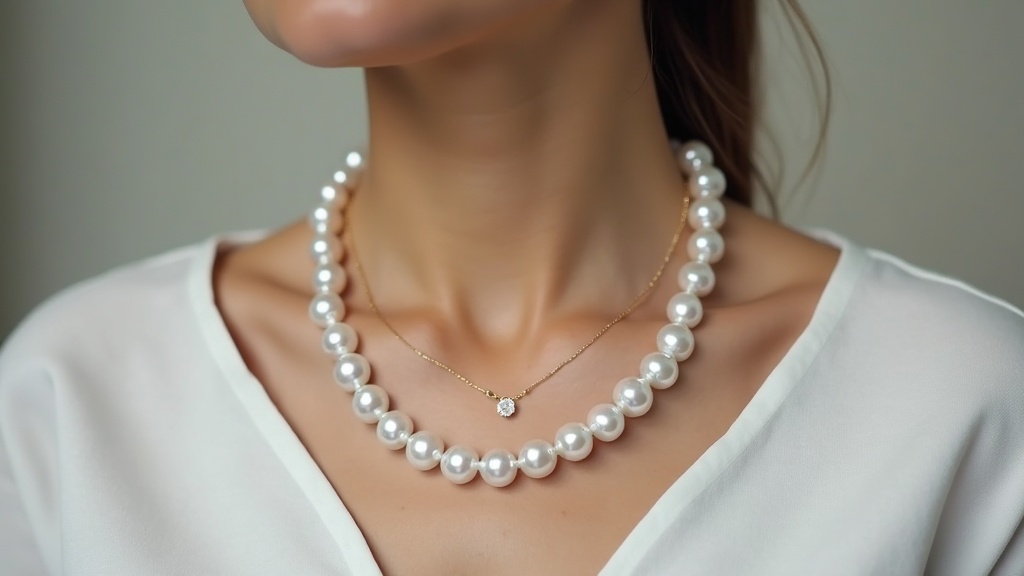
Read our complete freshwater pearl necklace guide to select beautiful jewelry. Understand luster, nacre quality, shapes, and essential care for lasting elegance.
Table of Contents
- Understanding Quality Factors
- Exploring Shapes and Colors
- The Freshwater Pearl Necklace Guide to Care
- Styling and Wearing Your Jewelry
- Your Most Common Questions
- Comparing Pearl Types
- Practical Tips for Buyers
Quick Summary
A freshwater pearl necklace guide is a comprehensive resource detailing the selection, evaluation, and maintenance of cultured pearl jewelry. It covers essential quality factors like luster and nacre, explores various shapes and body colors, and provides actionable advice for long-term preservation and everyday styling.
The principles outlined in this freshwater pearl necklace guide begin with understanding the unique origin of these beautiful gems. Cultivated in mussels rather than oysters, these jewels offer exceptional value and diverse aesthetic options for collectors and casual wearers alike. When shopping for a new piece, buyers must evaluate several critical characteristics to ensure they receive a high-quality strand. This article breaks down the fundamental aspects of pearl evaluation, from surface blemishes to the depth of nacre. We will also explore the wide variety of shapes and overtones available in the modern market. Whether you are looking for a classic white strand or a modern baroque design, knowing what to look for makes the purchasing process much simpler. Read on to discover how to select, style, and maintain your jewelry for years to come.
Understanding Quality Factors
Evaluating the overall quality of a pearl strand requires a careful examination of several distinct physical characteristics. The most important factor is luster, which refers to the sharpness and intensity of light reflecting off the surface. High-quality specimens exhibit a bright, mirror-like reflection, while lower-grade options appear dull or chalky. Luster is directly tied to nacre quality, which is the thickness and composition of the crystalline layers secreted by the mollusk. Thick nacre not only enhances the visual appeal but also ensures the structural durability of the gem.
Surface evaluation is another critical step in the buying process. Because these gems are formed organically, completely flawless specimens are exceedingly rare. Most strands will feature minor blemishes, spots, or slight irregularities. While small imperfections are acceptable and prove the organic origin of the jewelry, deep cracks or severe chalky spots can compromise both the beauty and the longevity of the piece. Buyers should look for strands where the blemishes are minimal and do not distract from the overall visual harmony.
Matching is the final major quality indicator, especially for multi-gem strands. A well-matched necklace features gems that are uniform in size, shape, color, and luster. Achieving this uniformity requires sorting through thousands of harvested gems, which is why perfectly matched strands command a higher price. For those interested in creating digital content about jewelry, following a structured article creation guide can help organize these complex grading factors into easily digestible information for readers. Understanding these core grading elements ensures that you can confidently assess the true value of any piece before making a purchase.
Exploring Shapes and Colors
The visual diversity of cultured pearls is one of their most appealing attributes, offering a wide range of shapes and hues to suit any personal style. While perfectly round specimens are the most traditional and highly valued, they represent only a small fraction of the total harvest. Off-round and button shapes provide a more affordable alternative while still maintaining a classic appearance when strung together. For those seeking a more contemporary or artistic look, baroque and drop shapes offer unique, asymmetrical silhouettes that highlight the organic nature of the gem.
Color evaluation involves looking at both the body color and the overtone. The body color is the primary, dominant hue of the gem, while the overtone is a secondary, translucent color that appears to float over the surface when the light hits it. Common body colors include white, cream, and various shades of pink or peach. Overtones can add remarkable depth, with silver, rose, or peacock hints altering the overall perception of the strand. The combination of body color and overtone creates the final visual impression, making color selection a highly subjective and personal choice.
Modern culturing techniques have also expanded the natural color palette available to consumers. While traditional white and cream strands remain popular for formal events, vibrant natural pinks and peaches are increasingly favored for everyday wear. Some designers even incorporate custom elements into their collections, such as pairing these beautiful gems with personalized pendants. For instance, combining a delicate strand with custom pet silhouette pendants creates a deeply meaningful and unique piece of memorial jewelry. This blend of classic elegance and personal sentiment demonstrates the incredible versatility of these gems in modern jewelry design.
The Freshwater Pearl Necklace Guide to Care
Proper maintenance is essential to preserve the luster and structural integrity of organic gems over time. Unlike hard stones such as diamonds or sapphires, pearls are relatively soft and porous, making them susceptible to damage from everyday chemicals and environmental factors. The golden rule of wearing them is to put them on last and take them off first. This simple habit prevents exposure to cosmetics, perfumes, hairsprays, and lotions, all of which can degrade the nacre and dull the surface luster.
Cleaning should be done gently and only when necessary. After wearing, wipe the strand with a soft, lint-free cloth to remove natural skin oils and sweat. If a deeper clean is required, use a slightly damp cloth with plain water, avoiding any harsh detergents, ultrasonic cleaners, or steam machines. Never submerge the strand in water, as this can weaken the silk thread and cause it to stretch or break over time. Always allow the jewelry to air dry completely on a flat surface before storing it.
Storage conditions play a vital role in long-term preservation. Keep your jewelry in a soft pouch or a lined jewelry box, separate from harder gemstones and metals that could scratch the delicate surface. Avoid storing them in airtight plastic bags or extremely dry environments, as the gems need a slight amount of ambient moisture to prevent cracking and peeling. Learning how to properly maintain your jewelry collection is similar to learning how to increase website ranking through consistent, careful optimization; both require regular attention and adherence to best practices to achieve lasting, beautiful results.
Styling and Wearing Your Jewelry
Integrating a pearl strand into your daily wardrobe requires a balance of traditional elegance and modern styling techniques. The classic single-strand necklace remains a timeless accessory, perfectly complementing business attire, evening gowns, and formal wear. A standard princess-length strand sits gracefully at the collarbone, drawing attention to the neckline without overwhelming the outfit. For a more dramatic effect, opera-length strands can be worn long and loose or doubled up to create a layered, sophisticated look.
Contemporary fashion has embraced more relaxed and innovative ways to wear these gems. Mixing a delicate pearl choker with casual denim and a simple t-shirt creates a striking contrast that elevates everyday streetwear. Layering multiple strands of varying lengths and textures adds a bohemian, eclectic vibe to any ensemble. You can also mix them with metallic chains or colorful beaded necklaces to create a personalized, trend-forward stack that reflects your unique aesthetic.
The choice of clasp and mounting hardware also influences the overall style and functionality of the piece. Traditional spring-ring or lobster clasps are secure and discreet, while ornate vintage-style clasps can serve as a decorative focal point. When selecting a piece for regular wear, consider the weight of the gems and the strength of the stringing material. Heavier strands require robust stringing and secure knots between each gem to prevent loss in case the thread breaks. By understanding these styling nuances, you can confidently wear your jewelry in a way that feels both authentic and fashion-forward. For more detailed information on gemological standards and grading, you can consult the educational resources provided by the Gemological Institute of America.
Your Most Common Questions
How can I tell if a pearl is real or fake?
The most reliable at-home method is the tooth test. Gently rub the gem against the biting edge of your front tooth. A real pearl will feel slightly gritty or sandy due to its microscopic crystalline structure, while a fake glass or plastic bead will feel perfectly smooth. You can also examine the drill holes; real gems have sharp, clean edges around the hole, whereas fakes often show peeling paint or rounded, melted edges. Additionally, real specimens will feel cool to the touch initially and warm up slowly, while plastic imitations feel warm immediately.
Why are freshwater pearls generally more affordable than saltwater varieties?
The price difference is primarily driven by the culturing process and yield. A single saltwater oyster typically produces only one or two gems at a time and requires a highly controlled marine environment. In contrast, a single freshwater mussel can produce up to thirty gems simultaneously in a more manageable pond or lake environment. This higher yield per mollusk significantly reduces the production cost. Furthermore, the freshwater culturing process is generally less labor-intensive and has a higher success rate, allowing farmers to bring a larger volume of product to the market at a lower price point.
What is the best way to restring a pearl necklace?
Restringing should be done by a professional jeweler who specializes in pearl knotting. The process involves threading each gem individually on silk or nylon thread and tying a secure knot between every single piece. These knots serve two crucial purposes: they prevent the gems from rubbing against each other and causing surface damage, and they ensure that if the strand breaks, only one or two gems will fall off rather than the entire collection. It is generally recommended to have frequently worn strands restrung every one to two years, depending on how often they are worn and the condition of the thread.
Can I wear my pearl jewelry while swimming or showering?
You should never wear your pearl jewelry in the water. Chlorine in swimming pools and hot tubs is highly corrosive and can permanently damage the nacre, causing it to become dull and brittle. Saltwater can also be harmful, as the salt can degrade the stringing material and affect the finish of the gems. Furthermore, showering exposes the jewelry to soaps, shampoos, and hard water minerals that can leave a filmy residue and weaken the silk thread. Always remove your jewelry before any water-related activities to ensure it remains beautiful and structurally sound for years to come.
Comparing Pearl Types
When shopping for pearl jewelry, understanding the differences between the main cultured varieties helps buyers make informed decisions based on their budget and aesthetic preferences. Each type offers distinct characteristics regarding size, luster, and price.
| Feature | Freshwater | Akoya | South Sea |
|---|---|---|---|
| Typical Size | 5mm – 12mm | 6mm – 9mm | 9mm – 20mm |
| Luster | Soft to Bright | Mirror-like | Satiny |
| Shapes Available | Round, Baroque, Drop | Mostly Round | Round, Drop |
| Price Point | Affordable | Moderate | Luxury |
As shown in the comparison within this freshwater pearl necklace guide, freshwater cultured options provide the best balance of variety and affordability for most consumers, while saltwater options cater to those seeking specific luxury traits.
Practical Tips for Buyers
Purchasing high-quality jewelry requires a strategic approach to ensure you get the best value for your investment. Follow these actionable tips when evaluating potential purchases:
- Always examine the jewelry in natural daylight if possible, as artificial store lighting can artificially enhance the luster and mask surface blemishes.
- Request a detailed grading report or certificate from the seller, which should clearly outline the nacre thickness, luster grade, and surface quality.
- Check the drill holes closely to ensure they are small, neat, and free from chipping, which indicates careful manufacturing and high-quality stringing.
Another crucial tip is to establish a clear budget before you start shopping. Knowing your price range helps narrow down the options and prevents you from overspending on characteristics that may not be important to you. For example, if you prefer a modern, artistic look, you can save money by choosing baroque shapes instead of paying a premium for perfectly round specimens. Finally, buy from reputable dealers who offer clear return policies and authentic guarantees. Taking these practical steps ensures a smooth purchasing experience and guarantees that your new jewelry will meet your expectations.
Before You Go
Selecting the perfect jewelry piece is a rewarding experience when you know exactly what to look for. This freshwater pearl necklace guide has covered the essential quality factors, diverse shapes, and necessary maintenance routines to help you make a confident purchase. By prioritizing luster, understanding color overtones, and practicing proper care, your jewelry will remain a stunning accessory for decades. We encourage you to apply these insights during your next shopping trip. For more helpful advice on jewelry care and styling, be sure to explore more articles and resources available right here on creepinghemlock.com.
Useful Resources
- Pearl Quality Factors. Gemological Institute of America.
https://www.gia.edu/pearl-quality-factors
For more about Cat lover gift guide, see Cat Lover Gift Guide.